
Beyond Post-Concussion: The Visual-Vestibular-Cervical Triad in Vestibular Injury Management

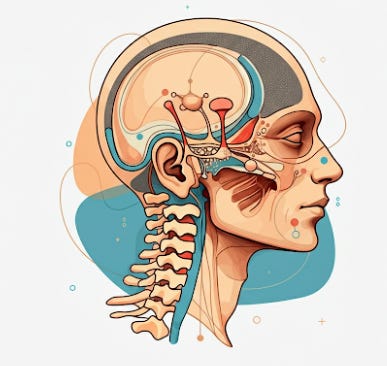
Dizziness and imbalance are common complaints encountered by healthcare professionals across various disciplines. While concussion management often takes center stage in discussions surrounding these symptoms, it's crucial to recognize the broader implications of the visual-vestibular-cervical (VVC) system. This article delves into the importance of understanding the intricate interplay of these three systems in managing a spectrum of vestibular injuries extending beyond typical post-concussion disorders.
The VVC System: A Symphony of Senses, a Complex Interplay
Our ability to navigate the world, maintain balance, and perceive our surroundings is intricately tied to the seamless integration of visual, vestibular, and cervical inputs, underscoring the crucial role of the VVC system in our daily lives.
Vision: Our visual system provides spatial orientation and environmental context, allowing us to perceive our position relative to objects.
Vestibular System: This intricate system, which lives in the inner ear, detects head movement and position in space, contributing significantly to balance and gaze stabilization.
Cervical Spine: Proprioceptive input from the neck muscles and joints informs the brain about the head position, facilitating coordinated head-eye movements and postural control.
Disruptions to the VVC Harmony: A Broader Perspective
While the VVC system is remarkably robust, it can be disrupted by many factors, leading to dizziness, vertigo, and impaired balance. These include:
Concussion: Concussions can disturb the delicate interplay between the visual, vestibular, and cervical systems, leading to persistent symptoms like dizziness and visual disturbances (1).
Inner Ear Trauma: Direct trauma to the inner ear can damage vestibular structures, causing vertigo, hearing loss, and balance problems.
Migraine-Associated Vertigo: Migraines can trigger vestibular symptoms, including dizziness, vertigo, and motion sensitivity, often linked to disruptions in sensory processing.
Viral or Vascular Injuries: Infections or vascular events affecting the inner ear can compromise vestibular function, leading to persistent balance issues and dizziness.
Anxiety and Stress: Anxiety can exacerbate dizziness and imbalance, creating a vicious cycle that further heightens anxiety levels. Heightened stress responses can alter sensory processing and motor control, contributing to feelings of unsteadiness and dizziness.
Medications: Certain medications, such as those for blood pressure, anxiety, or depression, can have side effects that affect vestibular function or balance.
Comorbidities: Degenerative Cervical Spine Conditions, Such as cervical spondylosis or disc herniation, can compress nerves or blood vessels, affecting proprioception and contributing to dizziness.
Other Neurological Conditions: Conditions such as multiple sclerosis or stroke can also impact central processing of vestibular information, leading to balance difficulties.
Peripheral Neuropathies: Damage to peripheral nerves, particularly those in the legs and feet, can impair proprioceptive feedback, further contributing to balance challenges.
Age-Related Changes: The VVC system naturally undergoes age-related changes, including decreased visual acuity, vestibular hair cell loss, and reduced cervical spine mobility. These changes can increase susceptibility to dizziness and imbalance.
Visual Disorders: Uncorrected vision problems or eye conditions like cataracts or glaucoma can impair visual input, making it harder to maintain balance, especially in challenging environments.
Deconditioning: Prolonged inactivity or bed rest can lead to deconditioning, which affects muscle strength, endurance, and coordination, which are all essential for maintaining balance.
Why VVC Integration Matters in Management
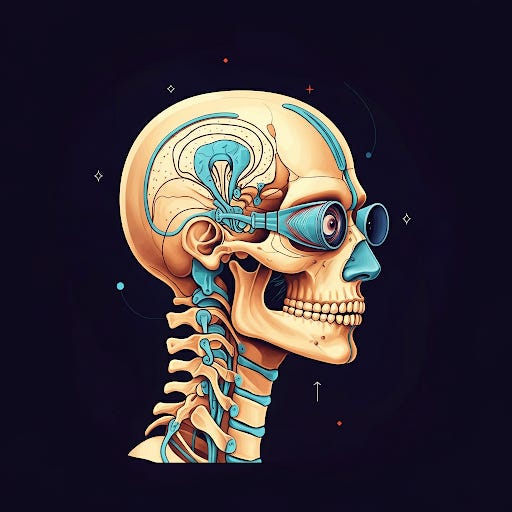
Understanding the interplay between the visual, vestibular, and cervical systems is crucial for effectively managing vestibular injuries. Your knowledge and expertise in this area are invaluable.
Compensatory Strategies: When one system is impaired, the others may attempt to compensate, potentially leading to maladaptive movement patterns and persistent symptoms.
Central Processing: The brain integrates information from all three systems to create a cohesive perception of our body in space. Disruptions in this central processing can contribute to dizziness and imbalance.
Individualized Treatment: Recognizing the specific VVC impairments in each patient allows for targeted interventions and improved outcomes.
Evidence-Based Approaches
Research supports the use of a multidisciplinary approach in managing vestibular injuries, incorporating targeted interventions for each component of the VVC system (2).
Vestibular Rehabilitation: Exercises to improve gaze stabilization, balance, and habituation to movement are crucial (3,4). This is particularly important for patients with viral/vascular injuries (5,6) and migraine-associated vertigo (7,8), where customized programs significantly improve dizziness, gait, and quality of life.
Cervical Spine Assessment and Treatment: Manual therapy and exercises can enhance vestibular rehabilitation outcomes by addressing neck pain, stiffness, and proprioceptive deficits (9,10). The cervical spine plays a vital role in proprioception and head-eye coordination, directly influencing vestibular function.
Visual Rehabilitation: Oculomotor exercises to improve eye movements, visual tracking, and gaze stabilization are crucial for compensating for vestibular deficits and reducing impaired dizziness (11). Clinical practice guidelines support this, particularly for patients experiencing visual vertigo or dizziness triggered by complex visual environments (12).
Conclusion
By understanding the complex interactions within the VVC system and employing evidence-based treatment strategies, clinicians can help patients regain balance, reduce dizziness, and improve their overall quality of life following vestibular injury. A multimodal approach tailored to each patient's needs is key to successful management.
References
Schneider KJ, Iverson GL, Emery CA, et al. The effects of a multimodal intervention on postural control in individuals with post-concussion syndrome: a randomized controlled trial. Clin J Sport Med. 2014;24(1):38-46.
Emery CA, Meeuwisse WH, Schneider KJ, et al. A multidisciplinary approach to managing sport-related concussion: a systematic review of the literature. Br J Sports Med. 2013;47(5):283-92.
Pagnoni G, Kiefer AW. Vestibular rehabilitation for dizziness and balance disorders after concussion. NeuroRehabilitation. 2012;31(1):87-96.
Treleaven J, Jull G, Sterling M. Dizziness and imbalance following concussion: overview and management. J Head Trauma Rehabil. 2003;18(3):184-201.
Herdman SJ, Hall CD, Schubert MC, et al. Vestibular rehabilitation for dizziness and balance disorders after concussion. Laryngoscope. 2019;129(6):1372-1384.
Strupp M, Zingler VC, Arbusow V, et al. Methylprednisolone, valacyclovir, or the combination for vestibular neuritis. N Engl J Med. 2017;376(15):1454-1461.
Jürgens TP, Becker WJ, Jorns-Haderli M. Vestibular rehabilitation for dizziness and balance disorders in migraine. J Neurol. 2016;263(3):468-480.
Vitkovic J. Treatment of migraine-related dizziness and vertigo. Curr Opin Neurol. 2013;26(3):295-301.
Reid SA, Rivett DA. Manual therapy treatment of cervicogenic dizziness: a systematic review. Man Ther. 2005;10(4):261-270.
Wrisley DM, Sparto PJ, Whitney SL, Furman JM. Cervico-ocular reflex and postural stability following whiplash injury. Spine (Phila Pa 1976). 2000;25(21):2787-2793.
Kelders WP, Hulsebosch EA, van der Geest JN, et al. Effectiveness of vestibular rehabilitation in patients with unilateral peripheral vestibular dysfunction: a systematic review. J Neurol. 2010;257(10):1682-1691.
American Physical Therapy Association. Vestibular rehabilitation: clinical practice guidelines. J Neurol Phys Ther. 2016;40(1):40-73.
Really great article Brian!