
Cefaly: A Neurostimulation Tool for Vestibular Professionals Seeing Patients with Migraine-Associated Dizziness

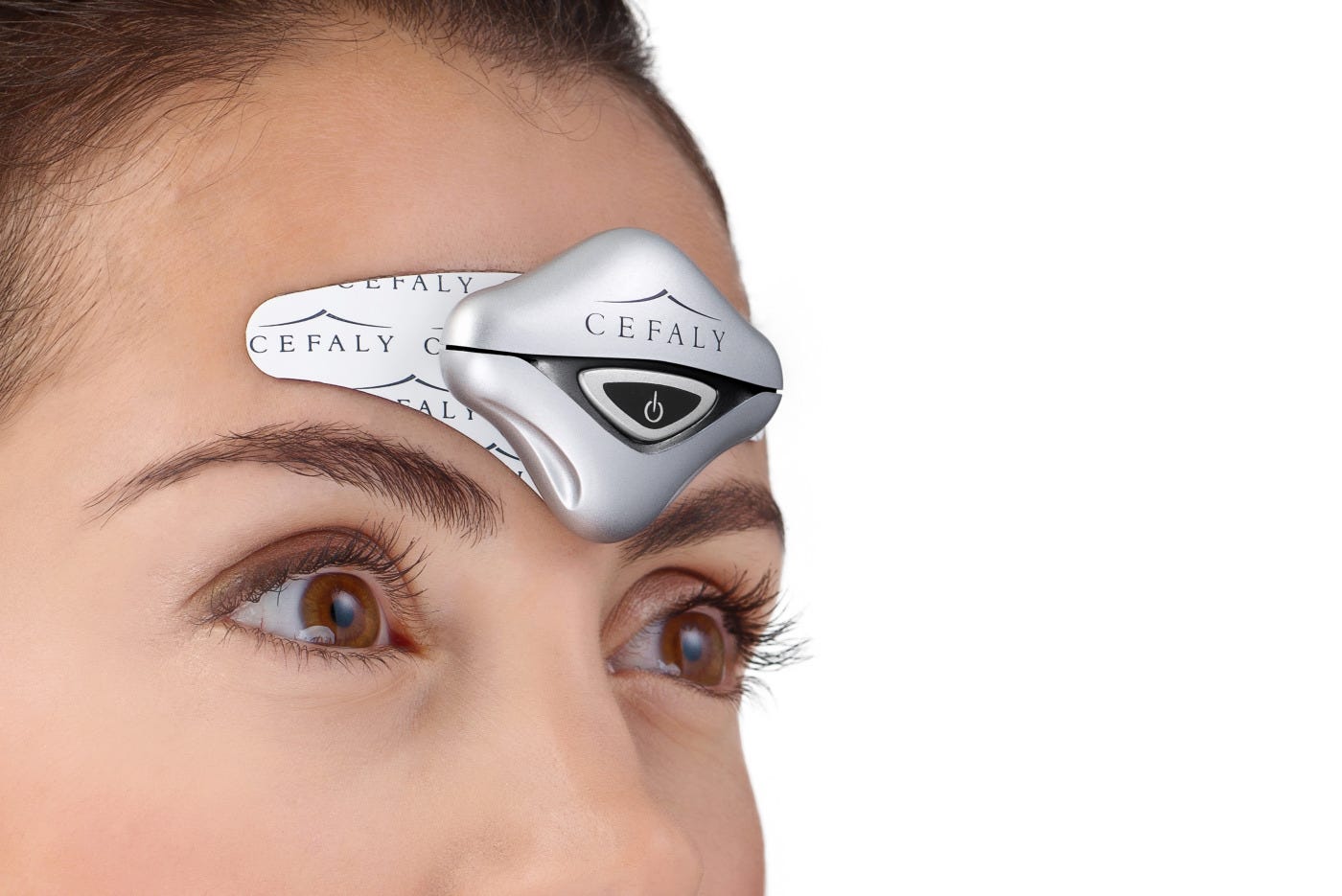
Vestibular disorders, often accompanied by migraines, can significantly impact patients' quality of life. As vestibular professionals, we constantly seek innovative and practical solutions to alleviate our patients' suffering. Cefaly, a non-invasive neurostimulation device, offers a promising avenue for both migraine prevention and treatment, potentially benefiting those with vestibular conditions as well.
How Cefaly Works
Cefaly targets the trigeminal nerve, a key player in migraine pathophysiology, through gentle electrical stimulation applied to the forehead. While the exact mechanisms remain under investigation, research suggests that Cefaly modulates pain pathways and brain regions involved in migraine processing, offering potential relief for associated vestibular symptoms.
Clinical Applications for Vestibular Patients
Migraine-Associated Vertigo: Many patients with vestibular disorders experience migraines, often accompanied by vertigo. Cefaly's demonstrated efficacy in migraine prevention and acute treatment may help reduce the frequency and severity of vertigo episodes.
Vestibular Migraine: This specific migraine subtype presents with vertigo, dizziness, and other vestibular symptoms. Cefaly's targeted neurostimulation could offer a non-pharmaceutical option for managing these challenging symptoms.
Anxiety and Stress Reduction: Vestibular disorders often coexist with anxiety and stress, which can exacerbate symptoms. Cefaly's calming effect on the nervous system might indirectly benefit vestibular patients by reducing stress levels.
Advantages for Vestibular Professionals
Non-Invasive: Cefaly provides a drug-free, non-invasive option for patients sensitive to medications or seeking alternative therapies.
Easy Integration: The device's simplicity and portability make it easy to integrate into a patient's daily routine or vestibular rehabilitation program.
Patient Empowerment: Cefaly empowers patients to manage their condition actively, potentially improving treatment adherence and outcomes.
Evidence-Based Support
Multiple clinical trials have demonstrated Cefaly's efficacy in reducing migraine frequency and intensity, including studies explicitly addressing migraine-associated vertigo.
Research suggests a link between trigeminal nerve modulation and vestibular function, further supporting Cefaly's potential benefits for vestibular patients.
Conclusion
Cefaly represents a promising tool for vestibular professionals seeking innovative solutions for their patients. While further research is needed to elucidate its mechanisms and benefits in vestibular disorders fully, the available evidence and positive user experiences suggest it warrants consideration as part of a comprehensive treatment plan. By incorporating Cefaly into our practice, we can expand our therapeutic options and empower our patients to achieve better outcomes.
Remember:
Consultation with a healthcare professional before recommending or using Cefaly for vestibular patients.
Individual responses to Cefaly may vary, and it's crucial to monitor patient progress and adjust treatment plans accordingly.
Let's continue exploring innovative solutions to improve the lives of our vestibular patients!
References
https://www.verywellhealth.com/cefaly-migraine-prevention-and-treatment-4156863