
Cerebellar Tonsillar Ectopia (CTE) and its Impact on the Vestibulocerebellum and Balance: Role of Physical Therapy

https://www.ajnr.org/content/33/10/1901/F6
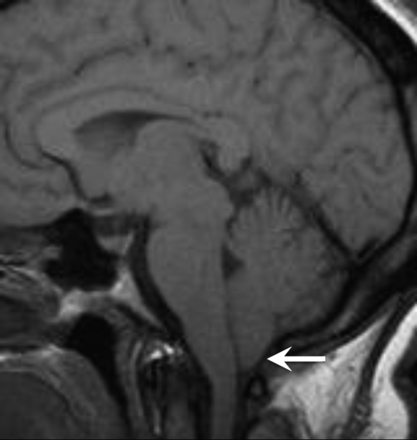
Cerebellar tonsillar ectopia (CTE), characterized by the downward displacement of the cerebellar tonsils through the foramen magnum, can significantly impact the vestibulocerebellum, leading to a range of symptoms related to balance and coordination. However, physical therapy, with its crucial role in managing these symptoms and improving the quality of life for individuals with CTE, offers a beacon of hope and optimism.
The Vestibulocerebellum and Balance:
The vestibulocerebellum, residing within the flocculonodular lobe, maintains equilibrium and coordinates eye movements with head movements. It receives input from the vestibular system (inner ear) and proprioceptive receptors throughout the body and processes this information to produce smooth, coordinated movements and a stable gaze.
CTE's Disruptive Impact on the Vestibulocerebellum:
The downward displacement of the cerebellar tonsils in CTE can cause compression and distortion of the brainstem and lower cerebellum, including the flocculonodular lobe. This compression can impair the normal function of the vestibulocerebellum through:
Direct Compression: Physical pressure on the vestibulocerebellum can hinder neuronal activity and disrupt critical connections with other brain regions involved in balance control.
Cerebrospinal Fluid (CSF) Flow Obstruction: Tonsillar herniation can obstruct CSF flow, increasing pressure in the fourth ventricle and potentially affecting delicate structures within the vestibulocerebellum.
Brainstem Dysfunction: Brainstem compression can affect the vestibular nuclei, crucial relay centers for vestibular information, further contributing to balance dysfunction.
Manifestations of Vestibular Dysfunction in CTE:
Disruption of the vestibulocerebellum in CTE can lead to:
Dizziness and Vertigo: A spinning or imbalanced sensation, particularly with head movements.
Nystagmus: Involuntary, rhythmic eye movements, often triggered by head position changes.
Unsteadiness and Gait Ataxia: Difficulty maintaining balance while walking or standing, with a tendency to sway or stumble.
Impaired Coordination: Challenges with fine motor skills and tasks requiring precise movements.
Motion Sickness: Increased sensitivity to motion, often accompanied by nausea and vomiting.
The Role of Physical Therapy in Managing CTE-Related Balance Issues:
Physical therapy can be instrumental in helping individuals with CTE manage their balance and coordination problems and improve their overall quality of life. Some critical approaches include:
Vestibular Rehabilitation: Specific exercises and techniques aimed at retraining the brain to compensate for vestibular dysfunction, reducing dizziness vertigo, and improving gaze stability.
Balance and Coordination Training: Exercises to improve balance and coordination, including gait training, proprioceptive exercises, and activities that challenge postural control.
Strength and Flexibility Training: Strengthening core and lower extremity muscles and improving flexibility can enhance stability and reduce the risk of falls.
Patient Education: Providing patients with information about their condition, strategies for managing symptoms, and fall prevention techniques.
Conclusion:
CTE can significantly impact the vestibulocerebellum, leading to balance and coordination issues. However, physical therapy, with its empowering role in helping individuals with CTE manage their symptoms, improve their functional abilities, and regain confidence in their movements, provides a sense of support and understanding.
Remember, the impact of CTE and the specific physical therapy approaches can vary depending on the severity of the condition and individual needs. Consultation with a qualified healthcare professional is crucial for personalized assessment and treatment planning.
References and Further Readings
Aiken AH, Hoots JA, Saindane AM, Hudgins PA. Incidence of cerebellar tonsillar ectopia in idiopathic intracranial hypertension: a mimic of the Chiari I malformation. AJNR Am J Neuroradiol. 2012 Nov;33(10):1901-6. doi: 10.3174/ajnr.A3068. Epub 2012 Jun 21. PMID: 22723059; PMCID: PMC7964630.
Al-Holou, W. N., Garton, H. J., & Muraszko, K. M. (2014). Management and outcomes of Chiari I malformation and cerebellar tonsillar ectopia: An evidence-based review. Neurosurgical Focus, 37(2), E2. doi: 10.3171/2014.5.FOCUS14137
Baloh, R. W. (2007). Dizziness, hearing loss, and tinnitus in Chiari malformation. Neurology, 69(11), 1039-1045. doi: 10.1212/01.wnl.0000268400.65855.e1
Heier, L. A., & Logue, V. (1988). Chiari I malformation with and without syringomyelia: incidence of headache. Headache: The Journal of Head and Face Pain, 28(8), 520-522. doi: 10.1111/j.1526-4610.1988.hed2808520.x
Kuniyoshi, S. M., & Bronstein, A. M. (2002). The role of physical therapy in the treatment of patients with cerebellar ataxia. Physical Therapy, 82(10), 968-977. doi: 10.1093/ptj/82.10.968