
Enhancing Client Care with Mindfulness: A Comprehensive Guide for Physical Therapists
By S. Joseph Allen, PT, Cert. DN, CPT


As physical therapists, we aim to help clients overcome dizziness and pain, restore their function, and improve their quality of life. While traditional physical therapy interventions are essential, integrating mindfulness into our practice can significantly enhance client care. This approach empowers clients to participate in their recovery and actively manage their symptoms, equipping us with a powerful tool to guide them toward a sense of self-efficacy.
What is Mindfulness?
Mindfulness is the practice of paying attention to the present moment without judgment. It involves cultivating awareness of our thoughts, feelings, and bodily sensations. This awareness can be incredibly valuable in rehabilitation, particularly for those experiencing dizziness and pain.
Why Integrate Mindfulness into Physical Therapy?
Mindfulness offers numerous benefits for clients dealing with dizziness and pain:
Reduces Anxiety: Dizziness and pain often trigger anxiety, which can worsen symptoms. Mindfulness helps regulate the nervous system, promoting calm and reducing anxiety.
Enhances Body Awareness: Clients can improve their proprioception (awareness of their body in space) by focusing on bodily sensations. This can reduce fear of movement, a common obstacle to recovery from dizziness.
Improves Pain Management: Mindfulness teaches clients to observe their pain without judgment, helping them develop a more objective relationship with their discomfort. This can lead to decreased pain perception and improved coping strategies.
Increases Engagement: Mindfulness encourages active participation in the therapy process. Clients become more attuned to their bodies and invested in their recovery, leading to better outcomes and improved carryover of skills into daily life.
Fosters Self-Efficacy: Mindfulness empowers clients to actively manage their symptoms, increasing confidence and control over their condition.
Practical Applications of Mindfulness in Physical Therapy
Here are some practical ways to integrate mindfulness into your physical therapy sessions:
Guided Breathing Exercises:
Diaphragmatic Breathing: Guide the client to breathe deeply, feeling their stomach rise and fall.
Example Cue: ‘Breathe slowly, feeling your belly expand like a balloon. Now breathe out slowly, feeling your belly fall back down.’
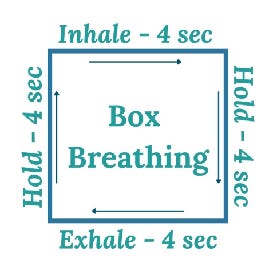
Box Breathing: Guide the client to inhale, hold, exhale, and hold, each for a count of four.
Example Cue: ‘Breathe in…2…3…4. Hold…2…3…4. Breathe out…2…3…4. Hold…2…3…4.’
Paced Breathing: Have the client synchronize their breathing with their movements.
Example Cue: ‘As you lift your leg, take a deep breath. As you lower your leg, slowly breathe out.’

Body Scan Meditations:
Progressive Relaxation: Guide the client to focus on different body parts and notice any sensations.
Example Cue: ‘Bring your attention to your toes. Notice any sensations. Are they warm or cold? Relaxed or tense? Now, bring your attention to your feet…’
Focused Body Scan: If a client has pain in a specific area, guide them to focus on that area without judgment.
Example Cue: ‘Bring your attention to your lower back. Notice the sensations. Is the pain sharp or dull? Observe the sensations without trying to change them.’
Mindful Movement:
Walking Meditation: Have the client walk pleasantly, paying attention to the sensations of their feet on the ground and their breath.
Example Cue: ‘Feel the ground beneath your feet with each step. Notice the sensations in your legs as you move. Breathe in and out with each step.’

Mindful Yoga or Tai Chi: Guide the client through gentle movements, encouraging them to focus on their breath and body sensations.
Example Cue: ‘As you reach your arms overhead, feel the stretch in your sides. Notice the rise and fall of your breath as you move.’
Mindful Strengthening Exercises: Even during traditional exercises, encourage clients to pay attention to the muscles they use and their breathing.
Example Cue: ‘As you lift the weight, feel the muscles in your arms working. Notice the feeling of your breath supporting the movement.’
Integrating Mindfulness into Vestibular Rehabilitation:
Please focus on the Present: During exercises, encourage clients to focus on their present experience rather than worrying about potential dizziness.
Example Cue: ‘As you turn your head, notice the sensations in your body. Feel the ground beneath your feet. Keep your attention on the present moment.’
Mindful Breathing During Challenging Exercises: When introducing challenging exercises, guide clients to use their breath as an anchor.
Example Cue: ‘Keep breathing deeply as you perform this movement. Notice how your breath can help you stay grounded.’
Cultivating Self-Compassion: Encourage clients to be kind to themselves throughout the rehabilitation process. Remind them that setbacks are normal and that progress takes time.
Example Cue: ‘It's okay to feel frustrated at times. Be patient with yourself and acknowledge the progress you've made.’
Addressing Counter-Arguments
While many therapists value mindfulness, it's understandable to have questions about how it fits into physical therapy practice.
Traditional Methods and Mindfulness: A Powerful Combination:
It's important to remember that mindfulness doesn't replace the core techniques of physical therapy. Instead, it works alongside them. Mindfulness can make traditional treatments even more effective by helping clients manage the mental and emotional challenges often accompanying pain and dizziness.
Finding the Right Fit for Each Client:
Mindfulness practices may not resonate with every client. Everyone comes to therapy with a unique background and preferences, which is why open communication is key. Therapists should discuss the potential benefits of mindfulness with their clients and be sensitive to any concerns they might have. If a client isn't comfortable with mindfulness, there are other ways to support their recovery journey.
Staying Focused on Physical Goals:
Some might worry that mindfulness could shift the focus away from physical progress. But actually, the opposite is often true. When clients learn to be more present and aware of their bodies, they can become more active participants in rehabilitation. This can lead to better results and a smoother transition to everyday activities.
Therapist Resources
Mindfulness Training: Engage in your mindfulness practice to deepen your understanding and enhance your ability to guide clients. Explore mindfulness workshops, online courses, or meditation apps.
Patient Education Materials: Develop handouts or online resources that explain the benefits of mindfulness and provide instructions for basic practices. Consider creating a library of mindfulness resources that clients can access.
Conclusion
Mindfulness is a valuable tool that can complement traditional physical therapy interventions for clients with dizziness and pain. By incorporating mindfulness into your practice, you can empower clients to actively participate in their recovery, manage their symptoms, reduce anxiety, and improve their overall well-being.
References:
Journey to Inner Peace: Exploring Mindfulness and Meditation Practices - Virtual Hangar Media. https://www.virtualhangarmedia.com/2023/11/02/journey-to-inner-peace-exploring-mindfulness-and-meditation-practices/
The Mindful Path to Wellness: Nurturing Your Mind, Body, and Soul – Moore Health & Wellness L.L.C. https://moorewellnessgroup.com/blogs/feel-good-monday/the-mindful-path-to-wellness-nurturing-your-mind-body-and-soul
Unconditional Approval. https://www.alovecenteredlife.com/post/unconditional-approval
Exploring Self-Compassion Meditation: Techniques for Inner K. https://www.yourhealthtoday.net/exploring-self-compassion-meditation-techniques-for-inner-kindness/
Understanding OCD: Coping Strategies & Helpful Resources. https://mvorganizing.org/understanding-ocd-coping-strategies-helpful-resources/
Journey to Inner Peace: Exploring Mindfulness and Meditation Practices - Virtual Hangar Media. https://www.virtualhangarmedia.com/2023/11/02/journey-to-inner-peace-exploring-mindfulness-and-meditation-practices/
Allen SJ. Enhancing Client Care of Dizziness & Pain Through Mindfulness in Physical Therapy. [unpublished manuscript].
Thanks a bunch, Brian, for sharing my ideas on your page. I’m excited to learn more from you and collaborate in our exciting field.