
Fly By Instruments: Adaptation, Not Habituation – The Vestibular Therapist's Call to Mastery

Introduction: The Silent Killer – When Senses Deceive, Only Adaptation Survives
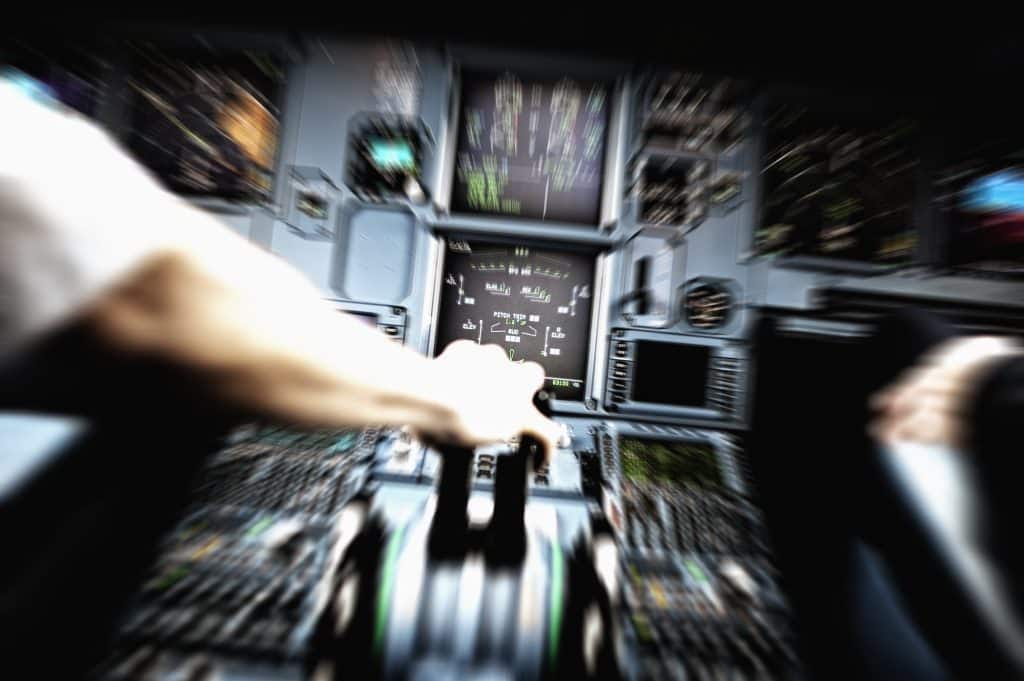
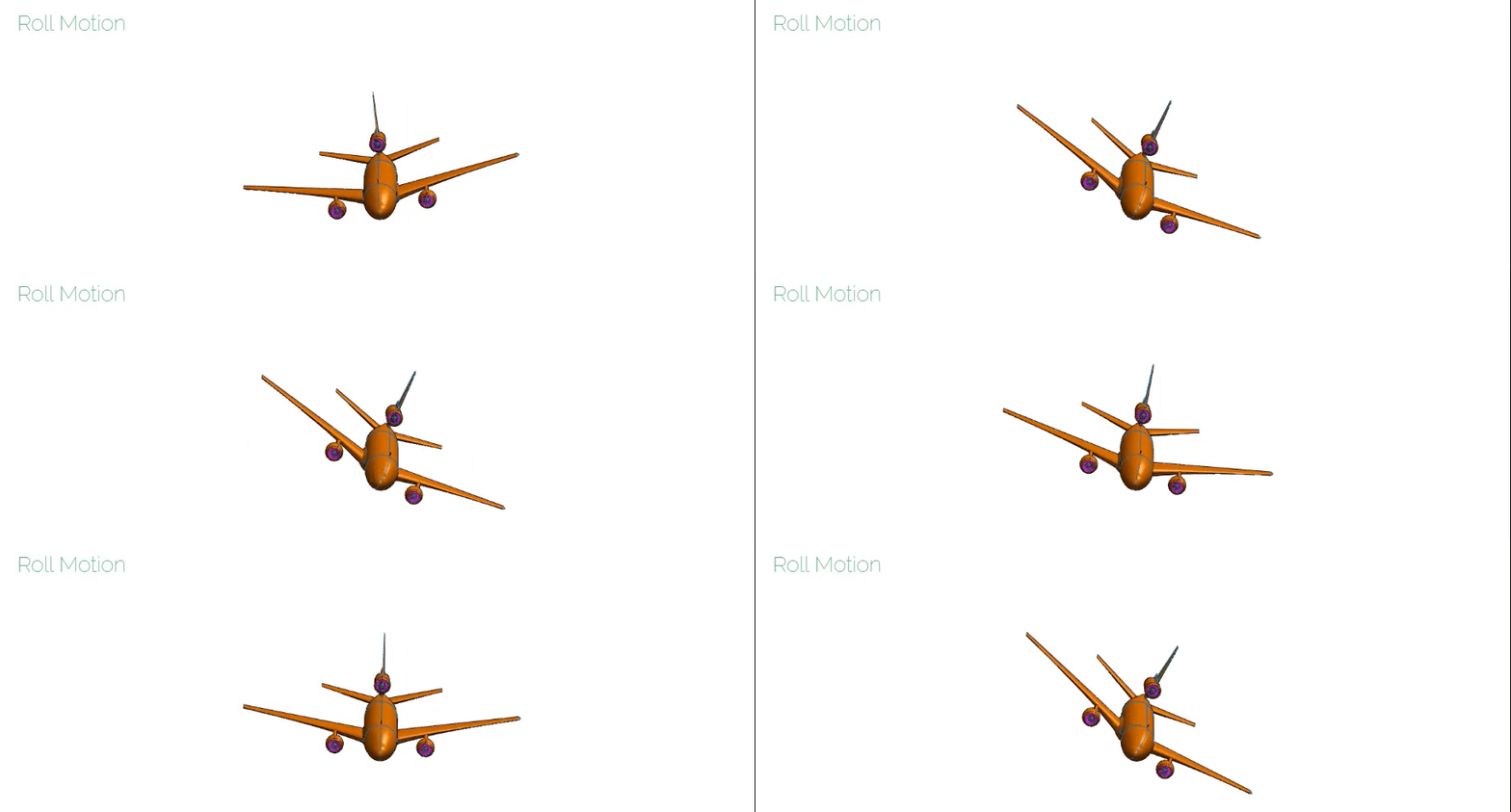
The 'leans' refer to a condition in which a person's body or the environment around them appears to be tilted or spinning, even when they are not. This can be a terrifying experience, especially for those with vestibular dysfunction. There is whispered terror in the cockpit, a stark, chilling reminder that our senses, those seemingly infallible guides, can betray us, plunging us into a disorienting abyss, a vortex of distorted perception.
It's not about merely tolerating the spin and enduring the disequilibrium; it's about mastering the instruments, seizing control in the face of overwhelming sensory conflict, and rewriting the narrative of our fate, forging a new reality from the chaos. This isn't just a pilot's plight, a dramatic tale of aerial survival; it's the battle our patients fight daily, a silent struggle against the insidious forces of vestibular dysfunction.
As vestibular therapists, we are not merely clinicians but their flight instructors, navigators through the storm, and architects of neural resilience. And we must reject the illusion of habituation, the fleeting comfort of 'getting used to it,' the deceptive promise of desensitization, and embrace the transformative power of adaptation – the only true path to mastery, the only way to reclaim a life stolen by imbalance. We must instill in our patients the unwavering conviction that they are not victims of their senses but masters of their destiny.
The Futility of 'Getting Used To It': Why Habituation Leaves Patients Grounded
Habituation? A mere whisper against the roar of a hurricane, a fragile sandcastle against the relentless tide. It's like teaching a pilot to endure a nosedive, to passively accept the inevitable crash, not to pull out of it, to master the art of controlled flight. Our patients don't need to 'get used to' their dizziness, to resign themselves to a life of limitation; they need to conquer it, to rewire their brains, to 'fly by instruments' when their senses scream otherwise when the world around them becomes a disorienting, unreliable landscape. Because the truth is stark, unyielding: a patient relying on habituation is a fall waiting to happen, a life half-lived, a potential unfulfilled, a future stolen by fear and uncertainty. They are not merely adapting to their symptoms but surrendering to them. We must empower them to rise above, transcend the limitations imposed by their condition, and embrace a life of unwavering stability.
Instrument Training: Forging Neural Pathways to Victory
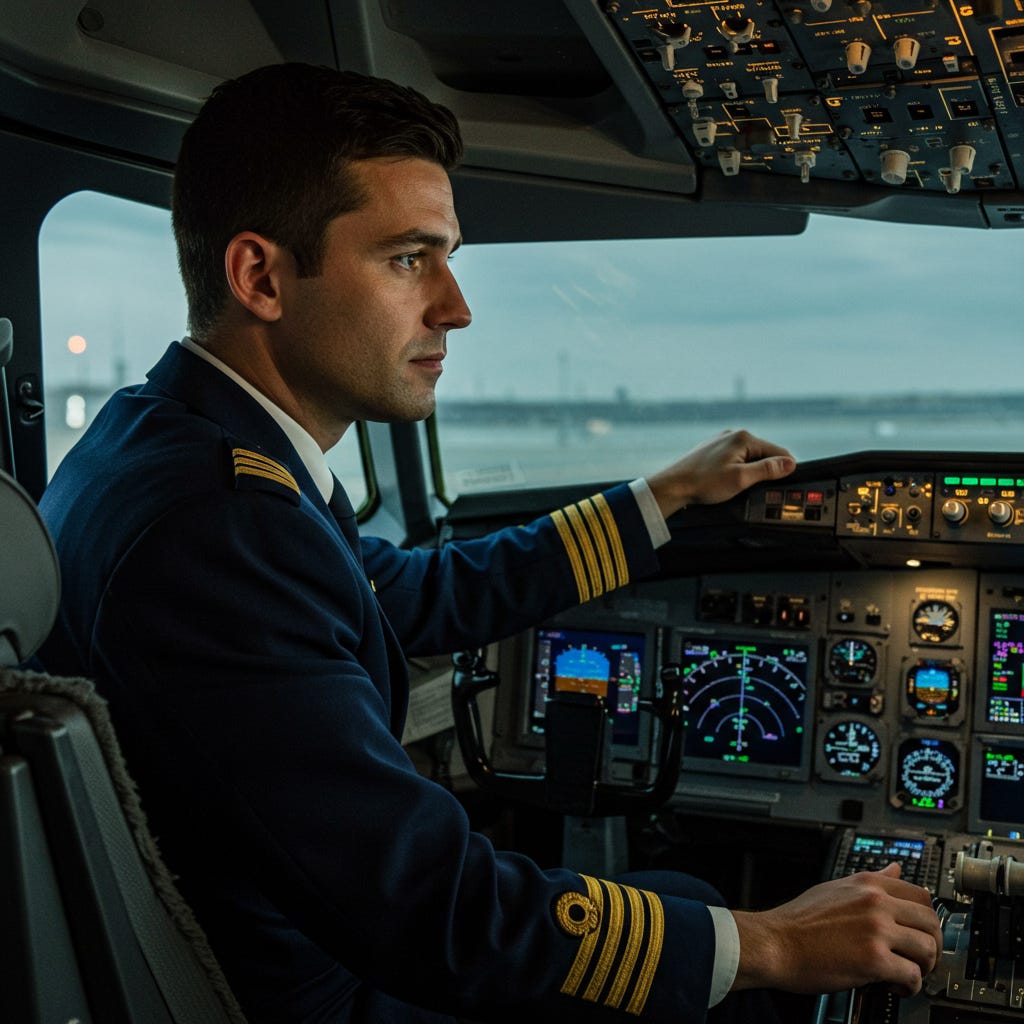
Pilots don't just endure the challenges of flight; they master them. They don't rely on 'getting used to it' on fleeting moments of comfort; they forge new neural pathways, learning to trust the unwavering truth of their instruments to interpret the complex language of their sensory feedback. We must do the same for our patients. We must provide them with the rigorous, relentless instrument training they need to recalibrate their senses, 'fly by instruments' when their internal compass spins wildly, and reclaim their lives from the tyranny of imbalance. This is not about teaching them to cope but empowering them to conquer. It's about instilling in them the unwavering belief that they are capable of rewriting their neural code, of forging a future free from the limitations of their condition.
VR: Our Flight Simulator for Sensory Adaptation
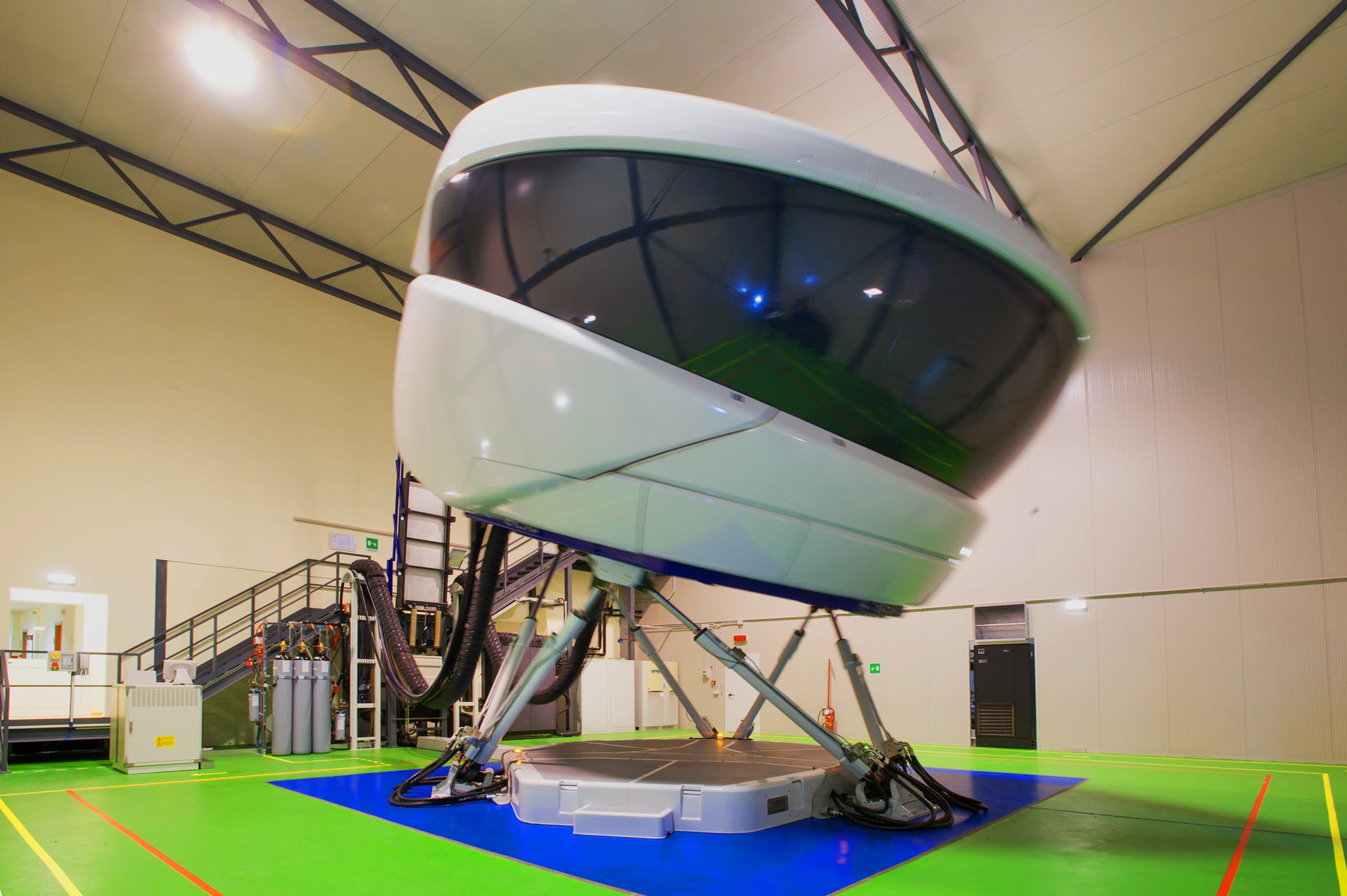
Virtual reality (VR) is not a gimmick, a fleeting novelty; it's our flight simulator, a powerful, precise tool for inducing the controlled sensory conflicts necessary for adaptation for forging new neural pathways. Optokinetic flows in VR are not about desensitization, about numbing the senses to the chaos; they're about introducing controlled visual torque, forcing the brain to adapt, re-weight its sensory priorities, and developing a new understanding of spatial orientation.
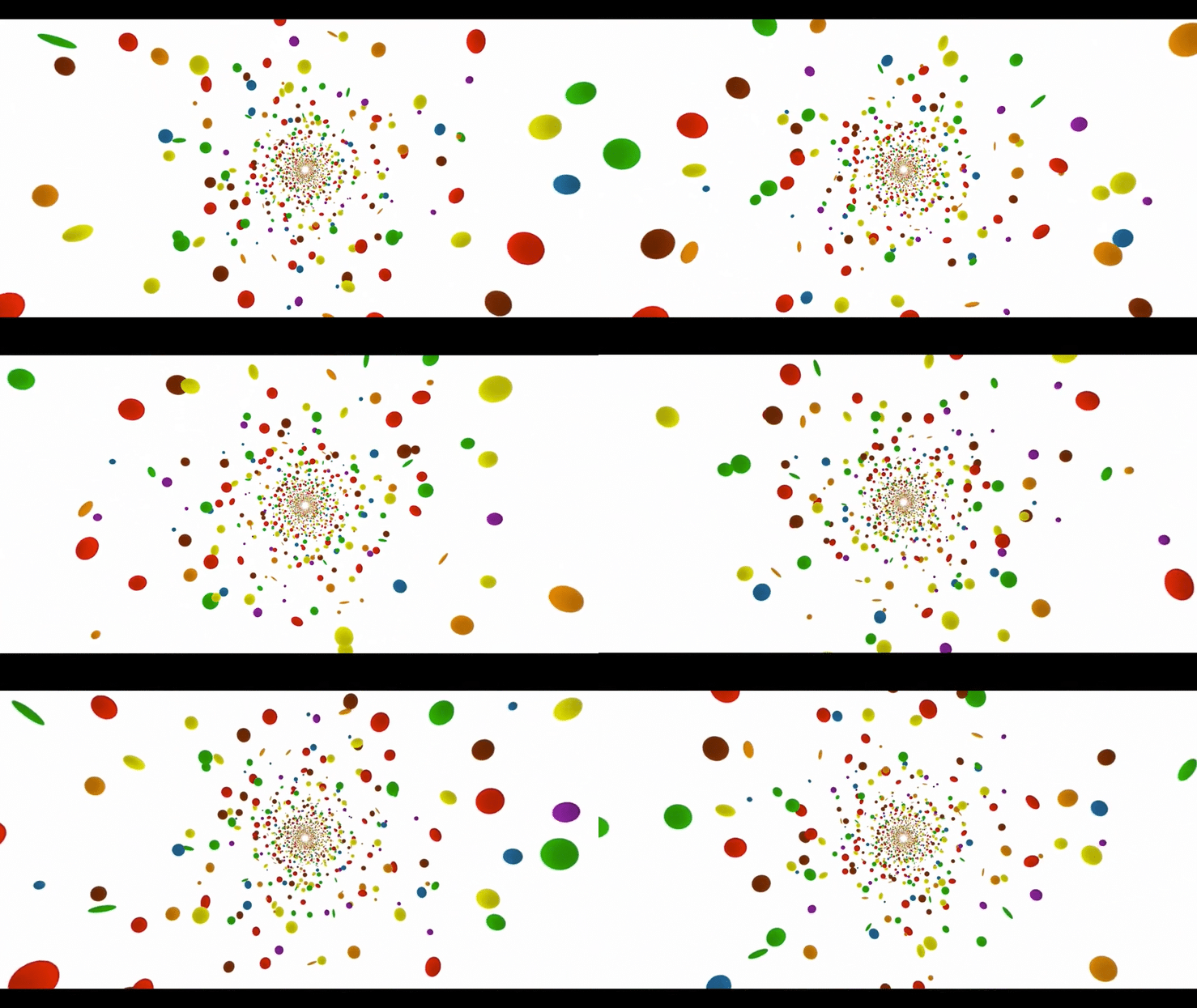
This is instrument training at its most potent, pushing patients beyond the confines of their comfort zones, beyond the limitations of habituation, and into the realm of true mastery of lasting neural resilience.
The "Leans" Unveiled: Today's SOS-Protected Reality Check
Today, the 'leans' manifested a stark, visceral reminder of the fragile balance between adaptation and disaster. A patient, immersed in VR, began to tilt, utterly unaware of his shifting posture. He was a victim of his sensory deception, his internal compass spinning wildly. Then, a sudden, desperate correction, a frantic attempt to regain equilibrium, almost sent him crashing to the floor, a devastating fall that would have shattered his confidence and set back his recovery. Had we not secured him in our Safety Overhead Support (SOS) system, the consequences would have been catastrophic, a stark reminder of the dangers of unchecked sensory conflict and the raw, unfiltered experience of 'the leans.' This wasn't a failure of habituation, a mere lapse in desensitization; it was a testament to the raw power of sensory conflict, the need for safe, controlled challenge, and the crucial role of a safety net that allows for exploration without fear.
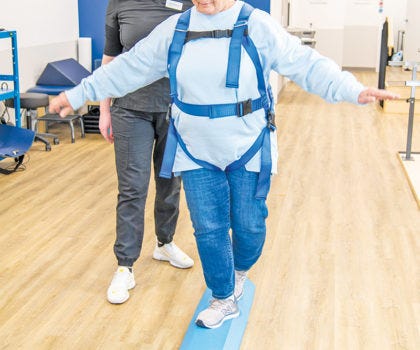
SOS: The Net That Catches Mastery – Not Just Falls
The SOS system isn't a safety net or a passive precaution; it's a critical, indispensable component of our instrument training program, a launchpad for true adaptation. It's like a net that protects the patient and allows them to fail, explore the boundaries of their sensory system, and push beyond their condition's limitations. It's like a trainer of a student pilot who knows that there are opportunities where the student will make a mistake, and if they don't do it right, they're going to crash the plane. It allows us to push patients to their limits, to induce the sensory conflicts necessary for adaptation, without the paralyzing fear of catastrophic falls, without the debilitating fear of injury. It's the difference between flying in a simulator, where mistakes are lessons, and flying solo in a storm, where mistakes are fatal.
Beyond Bottom-Up: Top-Down Instrument Mastery
We understand the power of bottom-up approaches, challenging somatosensory and vestibular systems with varied surfaces and dynamic movements, building a strong foundation for stability. But true mastery, the kind that forges lasting adaptation, demands a top-down perspective, challenging the brain's interpretation of sensory information, its very understanding of reality. VR optokinetics allows us to create visual torque that forces the brain to adapt, 'fly by instruments,' rewrite its code, and forge new neural pathways that withstand the storm.
FYZICAL: The Vanguard of Vestibular Mastery
At FYZICAL, we don't settle for 'getting used to it' for fleeting moments of comfort or the illusion of desensitization. We forge masters, architects of neural resilience, and champions of balance. We empower patients to 'fly by instruments,' reclaim their lives, and soar beyond their condition's limitations. We use VR, SOS, and a comprehensive instrument training approach, a relentless pursuit of excellence, to provide the most transformative vestibular rehabilitation available, a beacon of hope in a world of uncertainty, a testament to the power of human adaptation.
The Unwavering Truth: Pilots Adapt, They Conquer
Pilots don't 'get used to' flying; they master, conquer, and own it. They don't rely on habituation or fleeting moments of comfort; they forge mastery and build unwavering confidence. They don't 'fly by feel' by the momentary whims of their senses; they 'fly by instruments' by the steadfast truth of calibrated technology, by the relentless pursuit of precision. Our patients deserve the same level of training, the same level of expertise, the same level of adaptation, and the same unwavering pursuit of excellence.
Conclusion: The Call to Mastery – Our Patients' Lives Depend On It.
Our patients are not here for temporary relief or fleeting moments of comfort; they are here for lasting change, a transformation that transcends the limitations of their condition. They are here to master their balance, 'fly by instruments,' and live without fear, hesitation, or restriction. As their therapists, flight instructors, and partners in mastery, we must provide the instrument training they need to adapt, overcome, thrive, and soar. The choice is clear; the stakes are high: adaptation or a crash, mastery or surrender, life or limitation.
Call to Arms: Join the Movement – Forge Masters of Balance
Share your experiences with instrument training and adaptation. Let's ignite a movement, a revolution in vestibular rehabilitation, a paradigm shift that redefines the very essence of balance therapy. Let's forge masters of balance, one patient at a time, one neural pathway at a time. Let's rewrite the narrative of imbalance, one life at a time, one victory at a time. Let's rise together as a community of dedicated professionals and usher in a new vestibular rehabilitation, an era defined by mastery, resilience, the unwavering pursuit of excellence, and the unwavering belief in the power of human adaptation.