
Full-Field Optokinetic Stimulation (OKN) for Mal de Debarquement Syndrome (MdDS): A Comprehensive Guide


What is OKN?
Optokinetic nystagmus (OKN) is a reflexive eye movement triggered by a moving visual field. It helps stabilize gaze and is an essential component of the vestibular system, which controls balance and spatial orientation.
Why OKN for MdDS?
MdDS is characterized by persistent rocking or swaying sensations, often triggered by passive motion. OKN stimulation has shown promise in reducing MdDS symptoms by potentially recalibrating the vestibular system and modulating neural activity.
Full-Field OKN:
Full-field OKN involves a visual stimulus that fills the entire visual field of the patient, creating a more immersive and compelling therapeutic experience. It benefits patients sitting close to the screen (less than a foot away).
OKN Parameters:
Speed: The speed of the OKN stimulus should be personalized for each patient. Start with a slower speed (10-20 degrees per second) and gradually increase it to elicit a clear nystagmus response (small, repetitive eye movements) without causing discomfort. Typical target speeds range from 30 to 60 degrees per second.
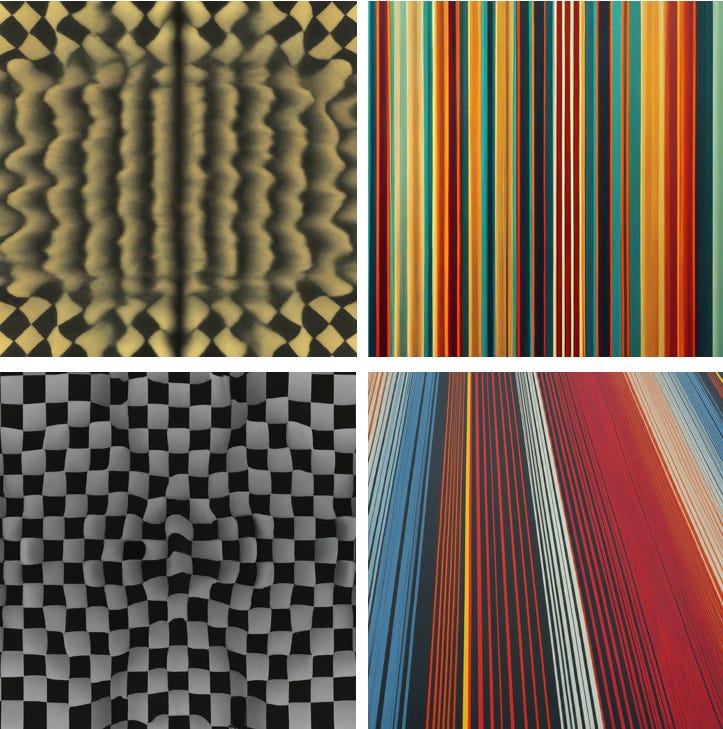
Visual Pattern:
For full-field OKN at close distances, the pattern should cover the entire visual field.
Options include broad stripes with thin dividing lines, large checkerboard patterns, gradient patterns, or other customizable patterns.
The pattern should be visually comfortable for the patient and elicit a strong nystagmus response.
Direction:
Vertical OKN: Upwards for forward sway/drift on the Fukuda stepping test, downwards for backward sway/drift.
Horizontal OKN: Opposite to the direction of the patient's lateral sway or drift.
Equipment:
OKN Device: Various devices can deliver OKN stimuli, including specialized goggles, light bars, rotating drums, or computer screens with specialized software.
Infrared Goggles (Frenzel Lenses): These are essential for therapists to observe and document subtle eye movements (nystagmus) during OKN, providing valuable insights into the patient's vestibular function and treatment progress.
Personalized Approach and Monitoring:
Every MdDS patient is unique, so a personalized approach is crucial.
Close monitoring of symptoms, nystagmus patterns, and postural responses is essential to adjust the OKN protocol and optimize outcomes.
Important Considerations:
OKN should be delivered under the guidance of a qualified vestibular therapist.
Full-field OKN can be a powerful therapeutic tool, but it should be used cautiously and adjusted based on individual patient needs and responses.
Please note that this is a general guideline. Your vestibular therapist will customize the OKN protocol based on your needs and responses.