
Managing Patient Expectations: The Crucial 'Worse Before Better' Conversation in Vestibular Rehabilitation


As vestibular therapists, we understand the importance of setting realistic patient expectations. One common hurdle we encounter across various conditions is the ‘worse before better’ phenomenon – a temporary increase in dizziness, vertigo, or imbalance symptoms that can occur during the initial stages of therapy.
Dr. Robert Landel, PT, DPT, PhD, FAPTA, a respected expert in the field and a professor at USC, notably emphasized this concept. I had the privilege of learning about this phenomenon directly from Dr. Landel during a cervicogenic dizziness course I attended in Las Vegas. He stressed the importance of educating patients about this phenomenon to manage expectations and ensure a positive rehabilitation experience.
Understanding the Phenomenon
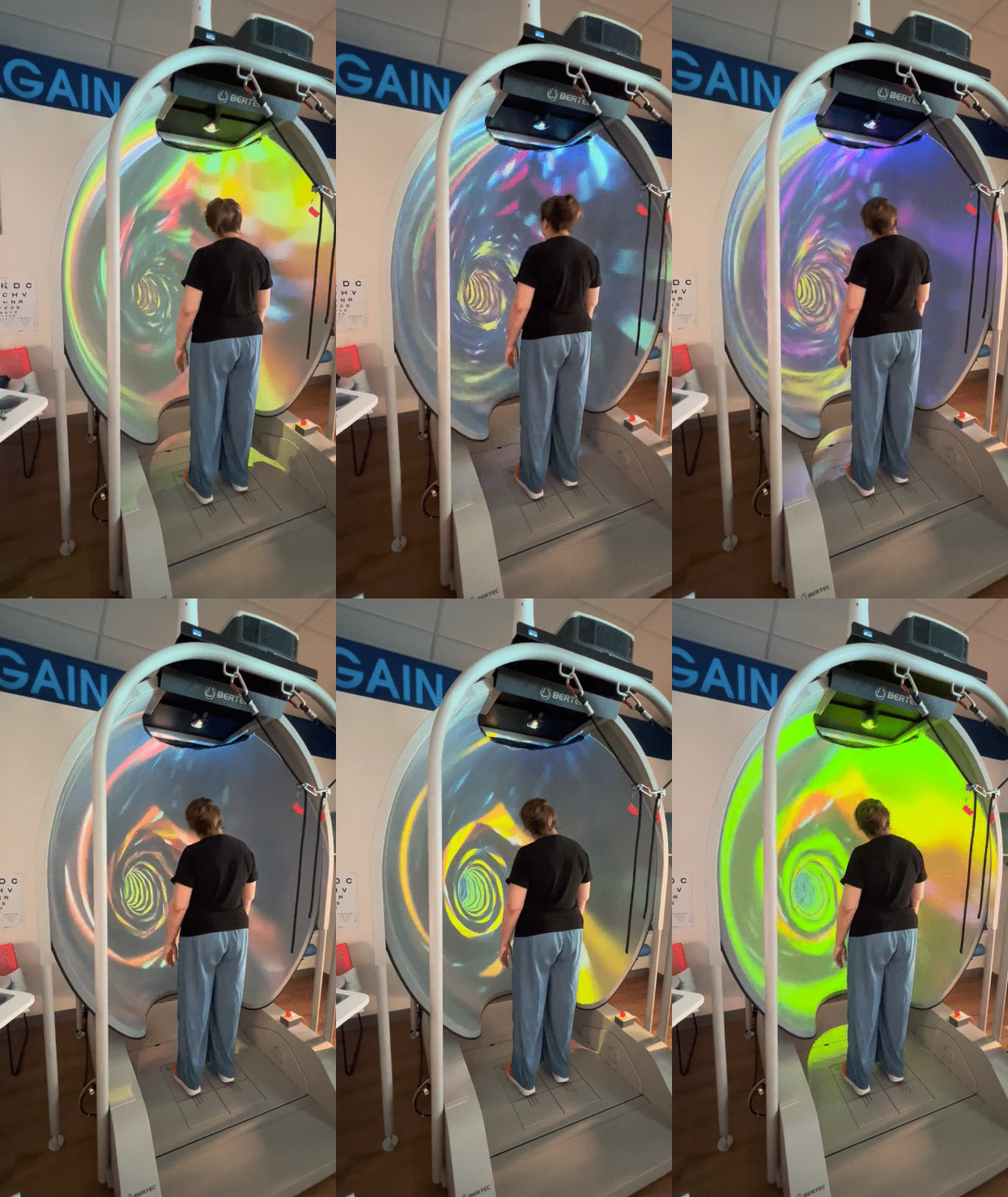
The ‘worse before better’ experience isn't a sign of treatment failure; it's often a positive indicator that the brain is adapting and recalibrating its balance system, as Dr. Landel highlighted in his teaching. This can happen for several reasons:
Central Nervous System Adaptation: The brain has grown accustomed to the abnormal signals causing dizziness or imbalance. Therapy introduces new stimuli and challenges the brain to reorganize and process vestibular information differently. This adaptation process can initially exacerbate symptoms before ultimately leading to improvement.
Increased Inner Ear Fluid Movement (BPPV): Therapies such as the Epley maneuver involve specific head and body movements to reposition displaced inner ear crystals. While effective, these movements can temporarily increase fluid flow in the inner ear, triggering a brief increase in dizziness before resolving the underlying issue.
Vestibular System Stimulation (Unilateral Disorders): For patients with unilateral vestibular hypofunction or other vestibular disorders, exercises challenging the impaired system can initially provoke dizziness or imbalance. This is because the brain is forced to rely on the impaired system, which stimulates adaptation and improves function.
Balance Challenges (Fall Risk/Imbalance Patients): Therapies for fall risk or imbalance patients often involve progressively challenging balance exercises. These exercises may push patients beyond their comfort zone, causing temporary unsteadiness. However, this is essential for training the brain and body to adapt to challenging situations and ultimately improve balance.
Individual Differences: Patients vary in their sensitivity to the changes induced by therapy. Some may experience a more pronounced "worse before better" phase than others.
The Importance of Communication: Why the ‘Worse Before Better’ Conversation is Crucial
Scenario 1: You Don't Tell Them
If patients aren't prepared for the possibility of a temporary setback, they may:
Become alarmed or discouraged: They might mistakenly believe their condition is worsening or that the treatment isn't working, leading to anxiety and potentially dropping out of therapy.
Blame the therapy or therapist: Patients may attribute any increase in symptoms to the treatment itself, potentially damaging your professional reputation.
Spread negative word of mouth: Dissatisfied patients may share their negative experiences with friends, family, or online, deterring others from seeking your help.
Scenario 2: You Do Tell Them
When patients are informed about the ‘worse before better’ phenomenon:
They are more likely to accept temporary setbacks: Knowing that a temporary increase in symptoms is normal can help patients stay the course and trust the process.
They are less likely to blame the therapy: Patients understand that the setback is part of the healing journey, not a sign that the treatment is ineffective.
They are more likely to continue therapy: Setting realistic expectations increases the likelihood that patients will complete their treatment plan and achieve positive outcomes.
They are more likely to refer others: Satisfied patients who experience successful outcomes are more likely to recommend your services to friends and family.
Communicating with Patients (Inspired by Dr. Landel's Approach)
Preemptive Education: Before starting therapy, thoroughly explain the ‘worse before better’ phenomenon, tailoring the explanation to the patient's specific condition. Use clear, simple language and analogies (like the GPS example), and emphasize that temporary setbacks are a normal part of the healing process.
Normalize the Experience: Share examples of other patients who have experienced similar challenges and ultimately achieved success. This can reassure patients that they are not alone and that temporary discomfort is often a stepping stone to recovery.
Open Dialogue: Encourage open communication and address patients' concerns or questions. Reassure them that you're there to support them and adjust the treatment plan as needed to ensure their comfort and progress.
Focus on Progress: Even during the "worse before better’ phase, celebrate small victories and highlight any improvements, no matter how subtle. This can help patients stay motivated and see the bigger picture.
Patience and Persistence: Remind patients that healing takes time and that adhering to the prescribed therapy plan is crucial for long-term success.
Key Takeaways
The ‘worse before better’ phenomenon is common across various vestibular conditions and is a normal part of recovery.
Proactive communication and patient education are essential for managing expectations and ensuring a positive rehabilitation experience.
By normalizing the experience, highlighting progress, and encouraging patience, we can empower patients to overcome temporary challenges and achieve rehabilitation goals.