
Mean vs. Normal, Performance vs. Function: Decoding Balance Test Results for Better PT Outcomes


As physical therapists, we are constantly interpreting assessment data to guide our treatment plans. Balance assessments like the CTSIB (SOT) provide valuable insights, but understanding how to apply the results can be nuanced.
In this article, we'll unpack two key concepts, Within Normal Limits (WNL) and Within Functional Limits (WFL), and how they relate to balance performance. By distinguishing between these perspectives, we can set more appropriate goals and empower our patients to achieve meaningful outcomes.
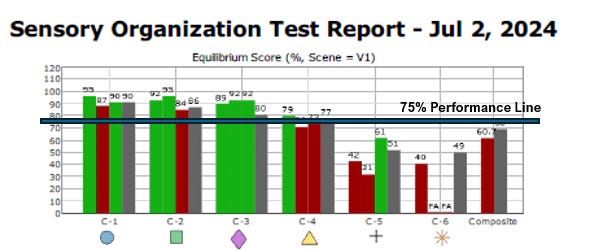
The CTSIB (SOT): Two Lenses for Interpretation
The CTSIB (SOT), a comprehensive balance assessment, can be viewed through two distinct lenses, each offering valuable information for different purposes:
Within Normal Limits (WNL): Comparing to the Average
Focus: How does a patient's testing compare to their age group's average (mean) and specific test condition?
Interpretation: Provides a relative measure, indicating whether their balance falls within the typical range for their peers.
Value: Useful for understanding general balance relative to others of similar age and characteristics. It can reassure patients that they are within a "normal" range but may not reflect the complete picture of their functional abilities.
Within Functional Limits (WFL): Performance-Based Assessment
Focus: Absolute performance on the test, regardless of age or other factors.
Interpretation: Evaluates how well a patient can maintain balance under various challenges, providing a more objective measure of their functional capabilities.
Value: Essential for setting functional goals and understanding a patient's ability to perform real-world activities. High scores indicate excellent balance; lower scores may suggest increased fall risk, dizziness, or functional limitations.
WNL vs. WFL: A Closer Look
Let's delve deeper into how these two lenses differ:
WNL: Exceeding the mean suggests the patient's balance is better than average for their demographic. However, more is needed to guarantee adequate balance for their lifestyle and goals.
WFL: High scores indicate strong balance performance, regardless of age. This is crucial for patients with higher-level functional goals or those at risk of falls. It's a more universal measure of balance capability.
Why Both Perspectives Matter
Both WNL and WFL provide valuable information, but their relevance depends on the individual and their goals:
WNL: Important for general comparison and may be sufficient for patients with less demanding lifestyles.
WFL: Crucial for understanding functional capabilities and setting performance-based goals.
The Therapist's Role: Bridging the Gap
As therapists, our role is to help patients understand the nuances of their balance test results and set appropriate goals:
Educate: Explain the difference between WNL and WFL, highlighting how each relates to their situation.
Individualize: Tailor goals based on the patient's needs, priorities, and functional expectations.
Celebrate Progress: Acknowledge improvements in WNL and WFL, emphasizing the functional gains directly impacting the patient's quality of life.
Beyond the Numbers: A Balanced Approach
While WNL and WFL offer valuable insights, the CTSIB (SOT) is just one tool in our comprehensive evaluation arsenal. A thorough assessment should also include patient history, self-reported function, and observation of real-world activities. This comprehensive approach reassures patients and healthcare professionals about the evaluation's thoroughness and the treatment plan's personalized nature.
Remember, our ultimate goal is not to exceed an average score but to help patients achieve meaningful functional improvements. By understanding the nuances of WNL and WFL, we can empower our patients and guide them toward optimal balance and function. This reminder inspires us as healthcare professionals and motivates us to strive for the best outcomes for our patients.