
Rethinking Strength Training for Seniors: It's Time to Ditch the 2lb Weights

https://www.thejournal.ie/readme/elderly-woman-weightlifting-4965418-Jan2020/
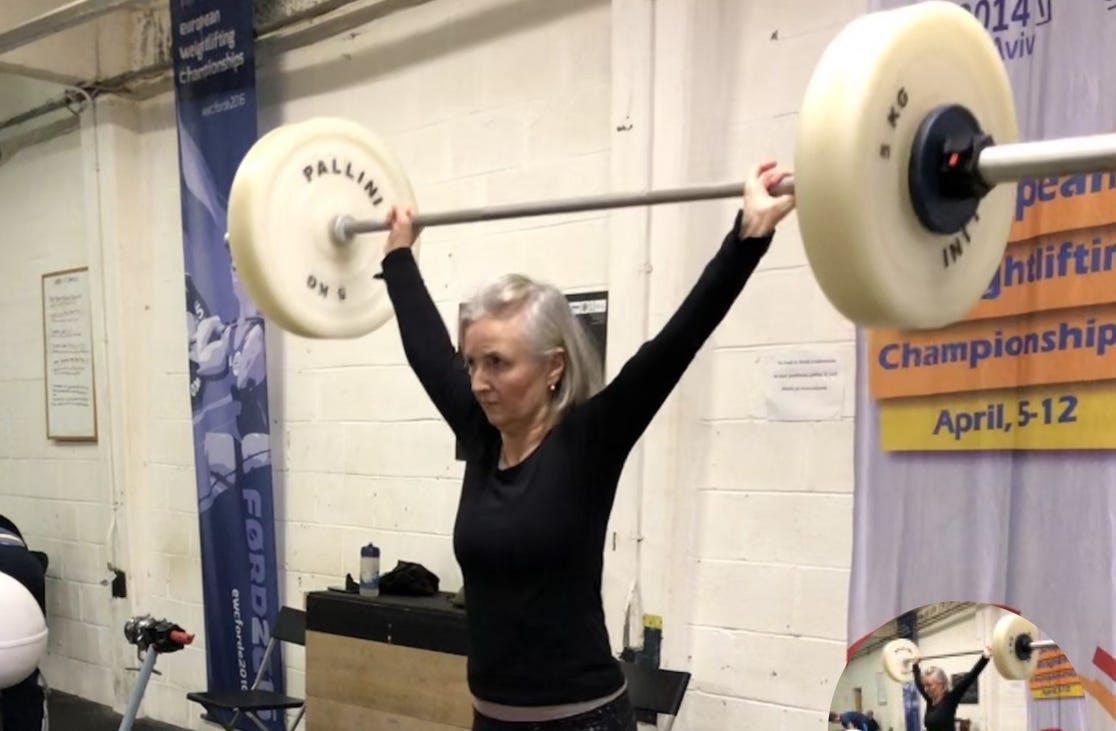
We've all seen it: seniors in the gym cautiously lifting tiny weights, encouraged to "take it slow" and avoid anything too strenuous. But what if this well-intentioned advice is holding them back? What if embracing higher-intensity strength training is the key to maintaining independence and vitality in later years?
A Paradigm Shift in Senior Fitness

A recent white paper by Dale Avers and Marybeth, "Strength Training for the Older Adult,” is shaking up the world of geriatric fitness. The authors argue that the traditional focus on low-load exercises and motor learning is often insufficient to combat age-related muscle loss and functional decline. Instead, they present compelling evidence that older adults, even those with health conditions, can benefit significantly from training at 60% or more of their one-repetition maximum (1-RM).
Dispelling the Myths
"High Loads are Dangerous": The paper cites numerous studies demonstrating the safety of high-intensity exercise for older adults, even those with conditions like osteoarthritis.
"Focus on Motor Learning": While motor learning is essential, it's not enough to reverse muscle atrophy. Actual strength gains require overloading the muscles, forcing them to adapt and grow stronger.
"One Size Fits All": The paper advocates for individualized programs considering each person's unique needs and abilities.
The Dosage Makes the Difference
The paper provides specific recommendations for exercise dosage, including:
Intensity: Aim for 60-80% of 1-RM, gradually increasing intensity over time as strength improves.
Sets and Repetitions: Perform at least one set per exercise, with repetitions tailored to the desired intensity. For example, 10-12 repetitions typically correspond to 60-70% 1-RM.
Frequency: Train each major muscle group 2-3 times weekly, allowing adequate rest between sessions.
Critical Recommendations for Seniors and Fitness Professionals
Seniors: Remember to underestimate your potential! With proper guidance, you can safely and effectively engage in challenging strength training programs to enhance your strength, function, and overall quality of life.
Fitness Professionals: It's time to update our approach to senior fitness. This research highlights the importance of assessing baseline strength, setting appropriate intensity levels, and progressively challenging clients to ensure optimal results.
Navigating Challenges
The paper acknowledges that implementing higher-intensity training for older adults requires addressing specific challenges:
Arthritis: Exercise selection and modification are crucial for individuals with joint pain. Closed-chain exercises, water-based workouts, and careful monitoring of pain levels are essential.
Motivation and Adherence: Creating engaging programs, fostering a supportive environment, and celebrating progress can help seniors stay motivated and committed to their fitness journey.
The Future of Senior Fitness
This research could revolutionize how we approach exercise for older adults. By embracing evidence-based principles and challenging outdated assumptions, we can empower seniors to build strength, maintain independence, and enjoy a more active and fulfilling life.
References:
Avers, D., & Brown, M. (2009). White Paper: Strength Training for the Older Adult. Journal of Geriatric Physical Therapy, 32(4), 147-152.
Call to Action:
Share this newsletter with any seniors or fitness professionals in your life.
Leave a comment sharing your thoughts on this research and your experiences with strength training as you or your loved one's age.
Let's work together to create a world where aging is associated with strength, vitality, and endless possibilities!
#SeniorFitness #StrengthTraining #AgeStrong #RedefiningAging