
Reversing the Loop: Why Backward Gait Training Disrupts Maladaptive Sensory Strategies in Vestibular Rehabilitation


Backward gait training is a specialized neuro-rehabilitative intervention that forces the central nervous system to reweight discordant sensory inputs by introducing simultaneous visual and surface conflicts. By reversing standard environmental feedback loops during active body transport, this modality isolates the primary vestibular system and disrupts entrenched maladaptive sensory strategies. Clinicians apply this progressive protocol to overcome persistent dizziness, visual dependency, and surface dependency in patients recovering from chronic vestibular unilateral or bilateral hypofunction.
(Internal Linking Reminder: Insert a link here to your foundational pillar post, the Werner Sensory Integration Method, to build site authority and establish proper content architecture.)
How Does the Body Transport Explain Vestibular Demands?
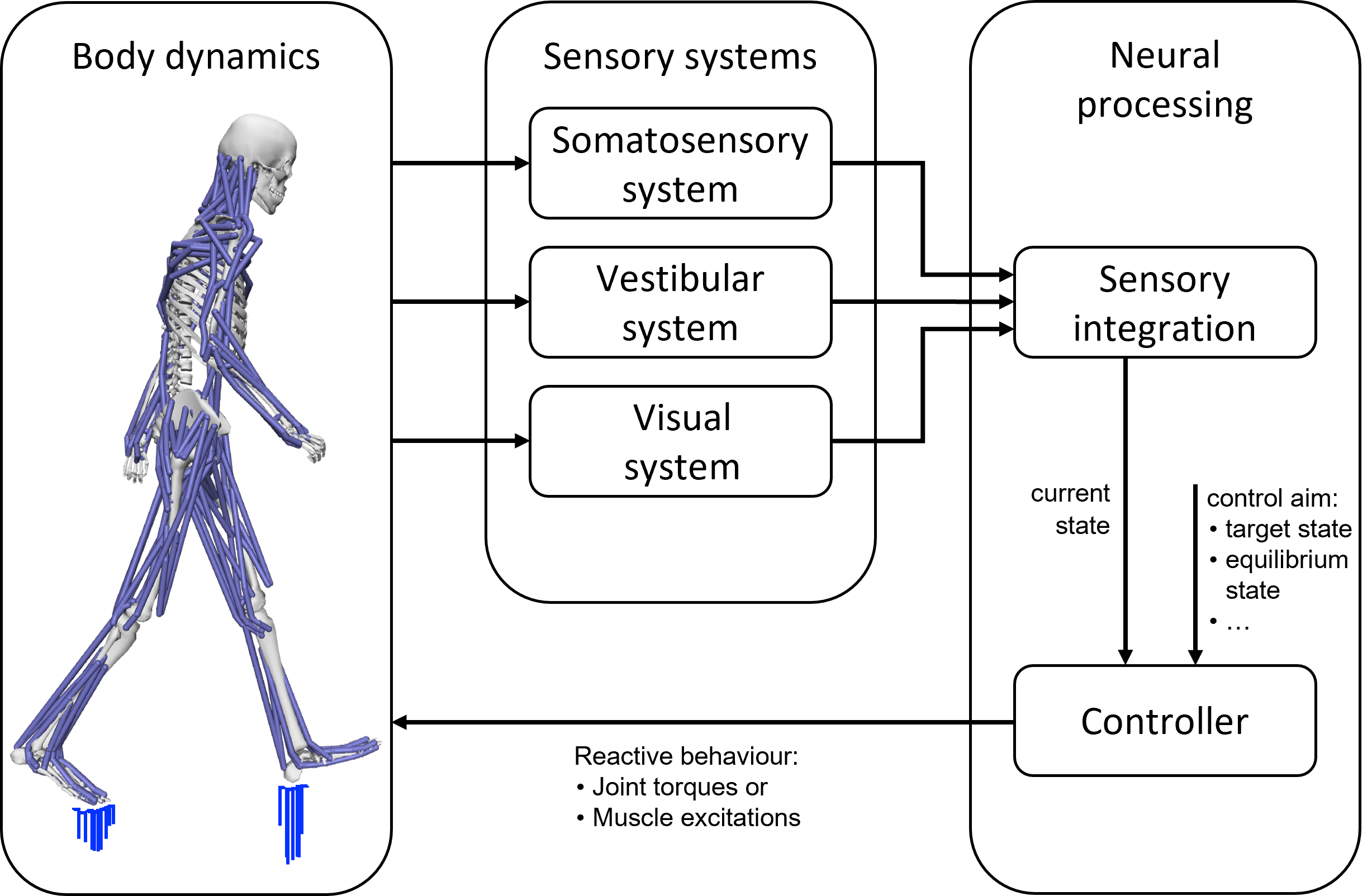
In the foundational framework of sensorimotor integration established by Robert Peterka, the central nervous system dynamically adjusts the operational weights of vestibular, visual, and proprioceptive inputs depending on whether the system is maintaining a stable posture or undergoing active body transport (Peterka, 2002). When the body is stable, the brain balances these inputs based on environmental availability. However, during active transport of the body, the baseline shifts.
The physical act of locomotion introduces massive kinetic and optic shifts, meaning the primary sensory driver for tracking spatial trajectory must be the vestibular system.
When a patient walks forward, the brain uses highly familiar, predictive neural maps in which a strong visual component and a strong somatosensory component seamlessly align with vestibular feedback, effectively offloading the net processing demand onto central vestibular pathways.
When a clinician introduces backward walking, this predictive map is completely broken.
Because the rearward vector is unaccustomed, the optokinetic flow produces an immediate disruption to the visual system, while the altered foot mechanics produce a concurrent disruption to the surface interface.
Instead of the visual and somatosensory systems offloading the vestibular system, they are thrown into total conflict. This isolates the vestibular system during transport, forcing it to compute raw spatial orientation without its typical external supports.
Why Does Retro-Walking Generate Simultaneous Visual and Surface Disruptions?
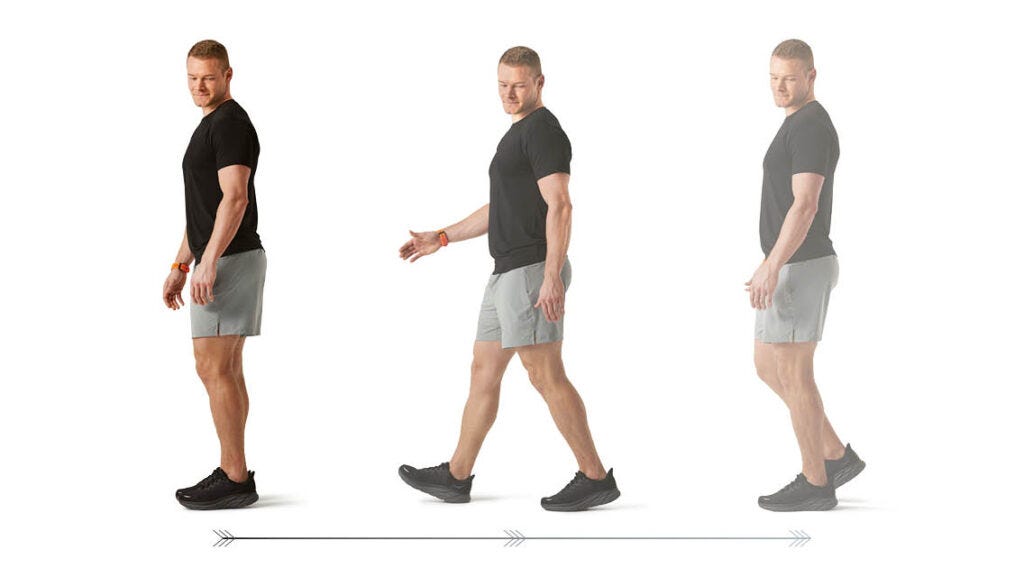
The profound clinical utility of backward walking lies in its ability to induce active, concurrent disruptions across multiple tracking modalities, thereby challenging any overreliance on a strong visual or somatosensory component. First, the reversed optokinetic flow pattern runs backward, creating an immediate visual conflict that disrupts the visual system and prevents the patient from using steady environmental anchors. Second, the unique kinetic demands of moving backward with a shortened rearfoot lever arm create an active surface conflict that heavily disrupts the somatosensory system.
During standard forward gait, the foot transitions through a heel-strike to a terminal toe-off, operating across the long propulsive lever arm of the forefoot. Conversely, backward locomotion requires initial contact on the forefoot, after which the heel lowers to the ground.
This mechanical sequence means the foot must stabilize body weight over a significantly shorter skeletal lever arm in the rearfoot relative to the ankle axis of rotation.
Reviewing the ankle kinematic traces across the gait cycle highlights exactly why this surface conflict occurs. In backward walking, the timing of dorsiflexion and plantarflexion undergoes a critical phase shift. This altered mechanical profile changes the plantar pressure distribution and shortens the stabilizing lever arm, preventing patients with chronic balance disorders from employing their over-learned, rigid somatosensory compensation loops (Donno et al., 2023). Because both secondary systems are thrown into active disruption, the brain is forced to process raw linear and angular accelerations through the vestibular nuclei without relying on external compensatory inputs.
How Can Clinicians Progress Retro-Walking Using Seven Fixed Head Positions?
To transform retro-walking from a basic coordination exercise into a precise vestibular challenge, clinicians can layer in head-positioning changes while the patient keeps their eyes open. This protocol involves moving through seven distinct head positions:
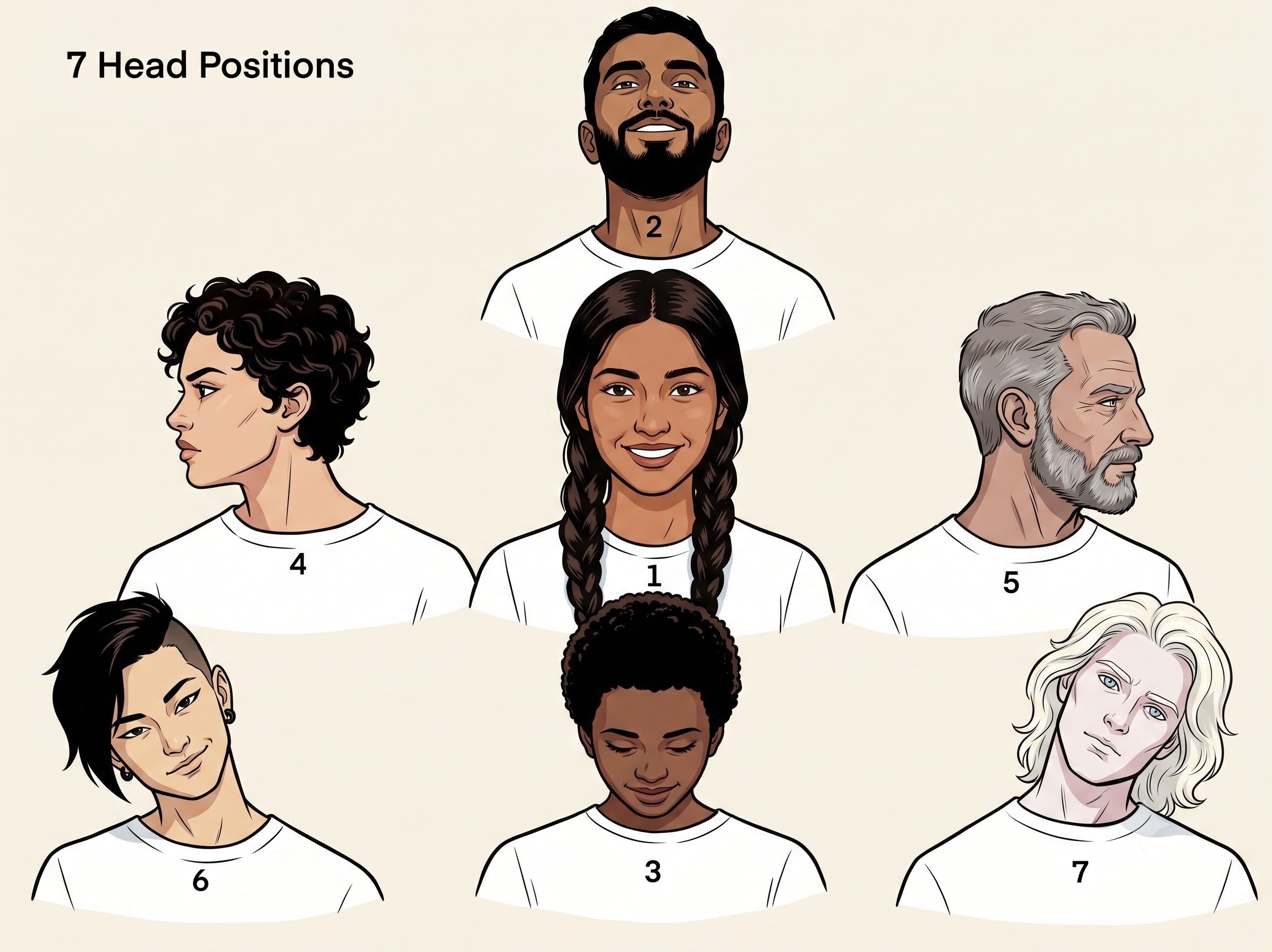
Moving through these positions changes the orientation of the semicircular canals and the otolith organs relative to gravity. Because the visual and surface systems are already experiencing heavy conflict, these head adjustments deliver targeted angular and linear accelerations directly to the vestibular apparatus. This targeted stimulation forces the central nervous system to recalibrate its graviceptive and rotational responses across multiple mechanical planes.

What Occurs When Vision Is Completely Eliminated or Artificially Stimulated?
When a clinician progresses the patient to retro-walking with vision completely eliminated, the visual system is disengaged entirely. This progression forces an even more aggressive reliance on the remaining biomechanical and vestibular networks. Without any visual feedback to mitigate the surface conflict, the brain must rapidly reweight its processing toward lower-extremity proprioception and primary vestibular signals (Wang et al., 2019).
To take this a step further, clinicians can introduce artificial optokinetic flow in virtual reality environments or implement complex dual tasks, such as catching a ball or performing peripheral and central oculomotor training while moving backward (Roberts et al., 2011). These advanced variations split central attentional resources and compel gaze-stabilization reflexes to operate automatically, effectively breaking down the patient’s maladaptive sensory strategy under real-world conditions.
How Does Backward Gait Training Address Fear Avoidance and Cognitive-Behavioral Resistance?
Beyond the clear neurophysiological challenges, backward walking serves as a powerful cognitive-behavioral intervention. Patients suffering from chronic balance disorders frequently present with profound kinesiophobia and ingrained avoidance behaviors, often stating that they never walk backward and actively resist the movement in daily life. This behavioral resistance occurs because the patient recognizes that moving backward exposes their profound instability.
However, the ability to move backward quickly and safely is a fundamental functional requirement for daily autonomy, whether stepping away from an opening door or avoiding an unexpected obstacle. Introducing retro-walking within a controlled clinical environment allows practitioners to confront this fear assessment directly, systematically reducing anxiety and building the cognitive resilience necessary for functional independence.
Clinical Disclaimer
The information provided in this publication is for educational and professional informational purposes only and does not constitute specific medical advice, diagnosis, or treatment plans for any individual patient. Vestibular rehabilitation professionals must apply their independent clinical judgment, expertise, and comprehensive patient evaluations to determine the appropriateness of backward gait training, head position modifications, or sensory reweighting protocols. Practitioners assume full responsibility for assessing individual patient capabilities, safety margins, and contraindications before implementing any advanced physical interventions described herein.
References
Donno, M., Torricelli, D., Rocon, E., & Pons, J. L. (2023). Kinematic and kinetic analysis of backward walking: A systematic review of clinical and biomechanical implications. Sensors, 23(10), 4671. https://doi.org/10.3390/s23104671
Foster, H., DeMark, L., Spigel, P. M., Rose, D. K., & Fox, E. J. (2016). The effects of backward walking training on balance and mobility in an individual with chronic incomplete spinal cord injury: A case report. Physiotherapy Theory and Practice, 32(7), 536-545. https://doi.org/10.1080/09593985.2016.1206155
Peterka, R. J. (2002). Sensorimotor integration in human postural control. Journal of Neurophysiology, 88(3), 1097-1118. https://doi.org/10.1152/jn.2002.88.3.1097
Roberts, J. C., Cohen, H. S., & Sangi-Haghpeykar, H. (2011). Vestibular disorders and dual task performance: Impairment when walking a straight path. Journal of Vestibular Research, 21(5), 215-222. https://doi.org/10.3233/VES-2011-0415
Wang, J., Xu, J., & An, R. (2019). Effectiveness of backward walking training on balance performance: A systematic review and meta-analysis. Gait & Posture, 68, 466-475. https://doi.org/10.1016/j.gaitpost.2019.01.002
When my (then undiagnosed) FND returned after a decades-long remission, I soon noticed that despite a significant gait impairment, walking backward or stepping side-to-side was unimpaired. Thank you for clearly explaining this peculiar phenomenon.
One of my favorite activities to do with my vestibular, neuro and ortho patients. Probably had 3 different patients do this today with 3 different goals in mind for choosing this activity. Great article