

Taming the Torque: A Case Study in Visual Sensitivity and VOR Rehabilitation


In my previous article, The Vestibular-Visual-Cervical Connection: Why It Matters, I delved into the intricate relationship between these three systems and how they influence each other. Today, I want to further explore this connection with a compelling case study that underscores the impact of visual challenges on post-concussion recovery. This case study, featuring Sarah (name changed for confidentiality), a patient who experienced persistent dizziness, neck pain, and a sense of fogginess following a concussion, will provide valuable insights for healthcare professionals in the field of rehabilitation therapy.
Sarah came to me seeking relief from her persistent symptoms. During a physical therapy session, she was prescribed Bárány bar tracking exercises using virtual reality (VR) goggles. However, instead of experiencing improvement, Sarah noticed a significant increase in her symptoms after the session. It took her several days to recover, and she reported her challenges when she returned for her next visit. After discussing her experience, we realized the likely culprit was the VR exercises and their impact on her visual and vestibular systems.
The Torque Effect
Sarah astutely observed that the closer the virtual Bárány bars were to her eyes, the more intense the feeling of 'torque' and discomfort she experienced. This phenomenon is related to optic flow, the visual motion we experience as we move through an environment. In VR, the rapid movement of the Bárány bars creates strong optic flow, which can be overwhelming for the visual and vestibular systems, particularly in someone recovering from a concussion. This excessive visual input can create a mismatch between what the eyes see and what the vestibular system senses, leading to discomfort and dizziness.
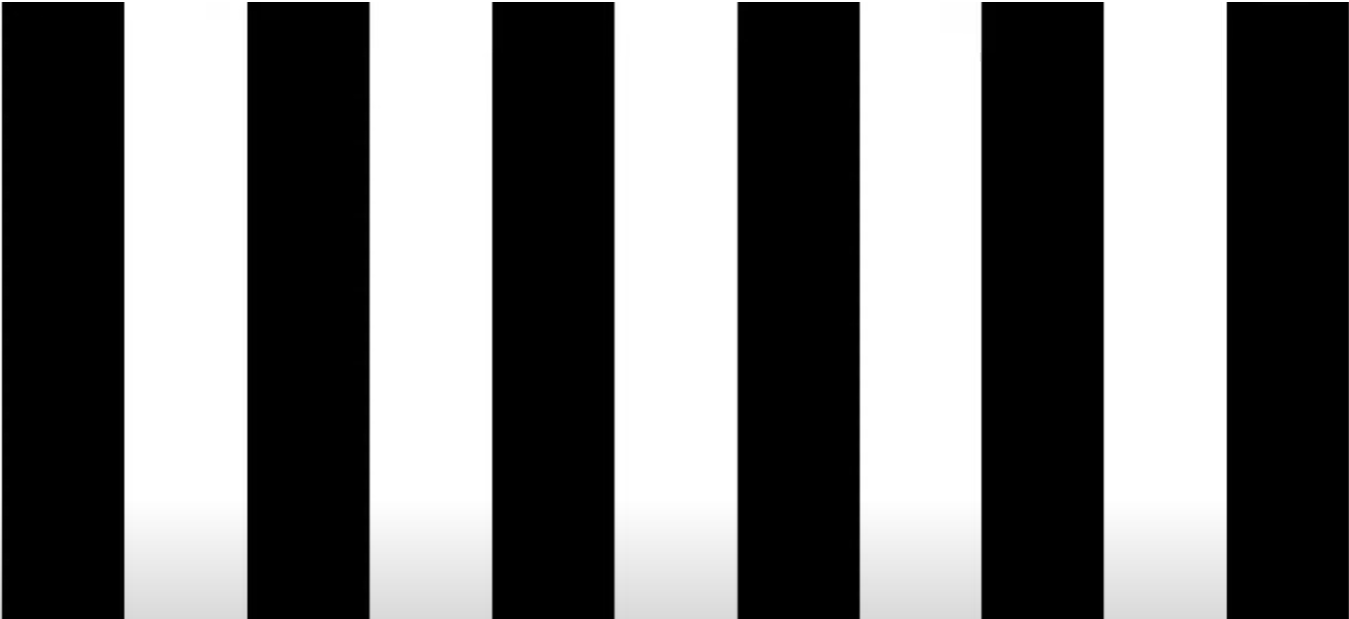
It's likely that the Bárány bars, especially in the VR environment, were inducing a strong optokinetic nystagmus (OKN) response in Sarah. While essential for visual stability in a moving world, this reflex can be overwhelming when the VOR is compromised. Imagine her brain processing the rapid visual motion while her vestibular system struggles to keep up. This sensory mismatch, amplified by the proximity of the bars, could explain the increased visual sensitivity and discomfort she experienced. It's as if the OKN was 'overdriving' her visual system, and her weakened VOR couldn't provide the necessary buffer.
But the impact goes beyond just the eyes and inner ear. This visual-vestibular conflict also places significant strain on the upper cervical spine. The brain, bombarded with conflicting signals, becomes confused about the body's position and movement. In an attempt to resolve this sensory mismatch, the neck muscles tense up, creating a sense of "torque" and stiffness. The cervical spine is tricked into thinking the head is moving when not, leading to compensatory muscle contractions and pain. This cervical strain further contributes to Sarah's disorientation and discomfort, highlighting the interconnectedness of the visual, vestibular, and cervical systems.
VOR Deficit and Symptom Connection
To further understand Sarah's dizziness, we need to look at the signs behind her symptoms. Dizziness is a complex sensation, and while Sarah described feeling 'woozy' and 'disoriented,' these are symptoms—subjective experiences. To pinpoint the cause, we need objective signs. The dynamic visual acuity test revealed a five-line difference between her static and dynamic vision, a clear sign of a VOR deficit. The VOR, or vestibulo-ocular reflex, is crucial for keeping our vision stable when our head moves. It's a reflex loop connecting the inner ear (vestibular system), the eyes, and the brain. When this loop is disrupted, as in Sarah's case, the world can seem to jump or blur with head movement, contributing to dizziness and disorientation. This VOR deficit likely explains why the VR exercises were so problematic for her with their rapid visual motion. The intense visual input overwhelmed her already compromised VOR, leading to sensory overload and exacerbating her symptoms.
Connecting VR Symptoms to VOR Signs
Think of it this way: the VR experience created a sensory mismatch. Sarah's eyes were telling her brain one thing (rapid movement), while her vestibular system, weakened by the concussion, was providing conflicting information. This sensory conflict, exacerbated by the proximity of the Bárány bars in the VR environment, triggered her dizziness and discomfort. This highlights the importance of careful assessment of VOR function in individuals with post-concussion syndrome, especially before prescribing visually demanding exercises like those involving VR.
Brock String Therapy: A Targeted Approach
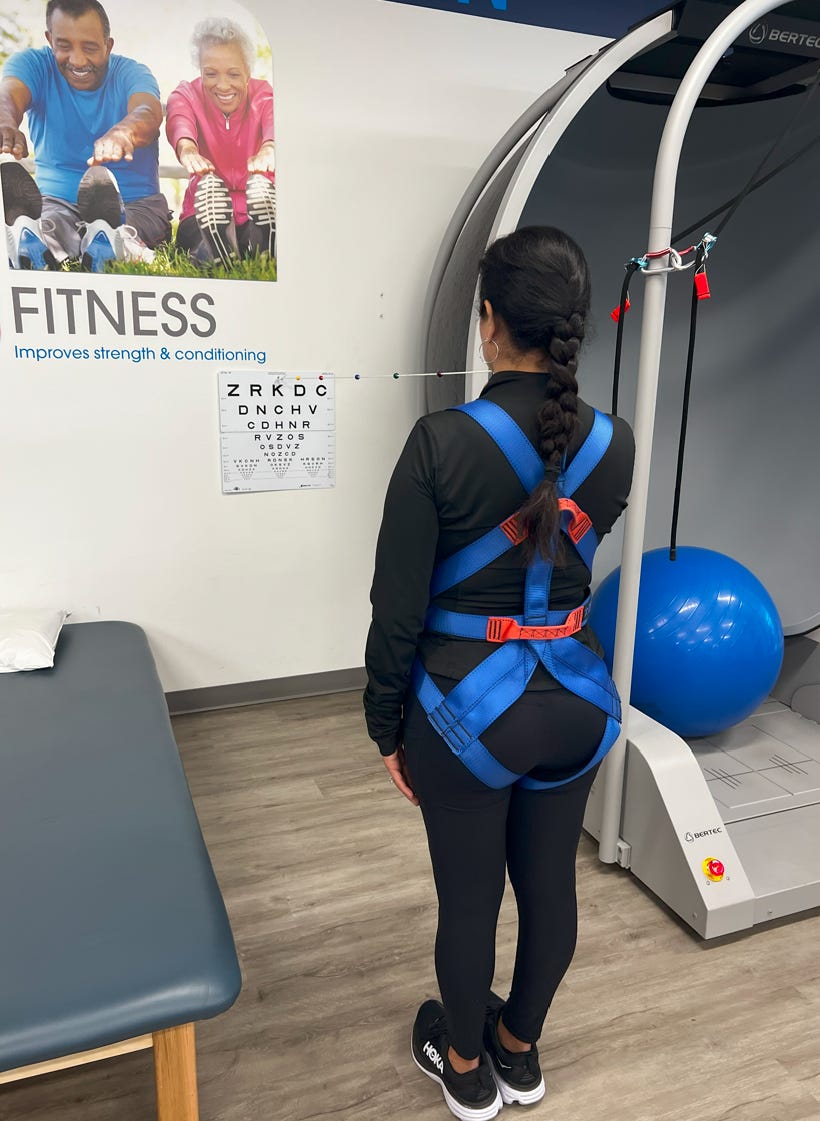
To address Sarah's VOR deficit and visual sensitivity, I turned to the Brock string, a time-tested tool in vision therapy. But with a twist. Instead of the usual setup with beads close to the face, I opted for a longer string with the beads spaced farther apart. This seemingly simple modification has profound effects. It reduces the visual demand and the sense of "torque" Sarah experienced with the VR, making the exercise more tolerable. Furthermore, combining convergence exercises (eye teaming) with head movements can stimulate VOR and cervical proprioception simultaneously. This integrated approach promotes adaptation and helps retrain the brain better to coordinate visual, vestibular, and cervical input.
Elaborating on the Benefits
Why is this modified Brock string approach so helpful? Firstly, it provides a tangible, interactive tool for patients to engage with. It's not just a static target on a wall; it's dynamic and adjustable, allowing for personalized challenges. Secondly, it provides for gradual progression. We can start with slow, small head movements and gradually increase the speed and range as the patient improves. This graded exposure helps to desensitize the visual system and rebuild tolerance to movement. Finally, and perhaps most importantly, it empowers the patient. They actively participate in their recovery, learning to control their visual and vestibular responses. This patient-centered approach instills hope and optimism in the patient and the healthcare professional.
Addressing Future Progression and Refinement
While it's still early in Sarah's recovery, I'm optimistic that this approach will help her regain visual stability and reduce her dizziness. We may reintroduce VR exercises as she progresses but with careful modifications. We might start with slower speeds, a smaller field of view, or static visual scenes before gradually increasing the challenge. The key to our approach is the importance we place on Sarah's feedback. We listen to her experiences and adjust the treatment plan accordingly. This forward-looking, patient-centered approach ensures that we always strive for the best possible patient outcome, underscoring the importance of being attentive and responsive to patient feedback.
Conclusion
Sarah's case beautifully illustrates the intricate interplay between vision, vestibular function, and cervical stability. By understanding these connections and employing creative therapeutic approaches, such as the modified Brock string technique, we can help patients like Sarah navigate the complexities of post-concussion recovery and regain their quality of life.