
The Unseen Ripple: How Cochlear Implants (CIs) Can Shake Your World (Beyond Sound)


Cochlear implants (CIs) are nothing short of miraculous. For individuals with severe-to-profound hearing loss, these sophisticated devices can unlock a world of sound, transforming lives, especially for children learning to speak and adults navigating complex auditory environments. But beneath the surface of this auditory revolution lies a less-discussed, yet equally impactful, side effect: disequilibrium.
While CIs are designed to restore hearing, their intimate proximity to the body's balance system within the inner ear means that the journey to sound can sometimes come with a significant wobble. This isn't just about occasional dizziness; for many, it can mean persistent unsteadiness, visual disturbances, and a profound impact on daily life. And when we talk about bilateral cochlear implants—devices in both ears—the implications for balance become even more pronounced.

The Inner Ear's Delicate Dance: Hearing and Balance, Hand in Hand
Imagine the inner ear as a tiny, intricate city where two vital departments operate side by side: the cochlea, responsible for hearing, and the vestibular system, which serves as our body's internal GPS and balance control center. They share not only anatomical space but also standard fluid systems. This close relationship means that any intervention in one area, like implanting a cochlear device, carries an inherent risk of affecting the other.
The vestibular system is a marvel of engineering, constantly detecting head motion and position relative to gravity. It's what keeps our vision stable as we move (the vestibulo-ocular reflex, or VOR), helps us maintain posture, and allows us to navigate our world without constantly falling over. When this system is compromised, even subtly, the world can feel like it's continually shifting.
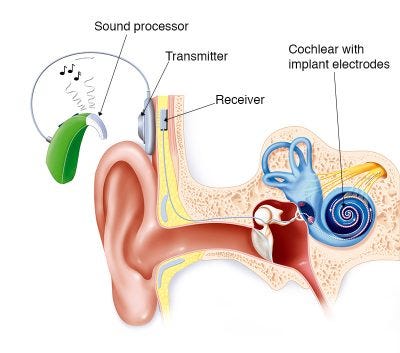
The Mechanisms of a Mismatch: How Cochlear Implants (CIs) Can Cause Disequilibrium
The act of implanting a CI, while precise, is a delicate dance within a confined space. Several mechanisms can lead to disequilibrium post-surgery:
Surgical Trauma: The physical insertion of the electrode array into the cochlea can directly injure the delicate vestibular sensory structures or dislodge tiny calcium carbonate crystals (otoconia), which are crucial for balance, leading to conditions such as benign paroxysmal positional vertigo (BPPV). The saccule, a key otolith organ, is particularly vulnerable due to its proximity to the electrode path.
Fluid Disruption: The inner ear relies on a precise balance of fluids (perilymph and endolymph). CI surgery can disrupt this homeostasis, potentially causing fluid leaks or an excess of fluid (endolymphatic hydrops), which directly impacts vestibular function.
Inflammation and Scarring: The implant, being a foreign body, can trigger an inflammatory response. This can lead to labyrinthitis (inflammation of the inner ear) or fibrosis (formation of scar tissue), physically impeding the normal function of the vestibular structures.
Electrical Overlap: The electrical currents from the CI electrodes, intended for the auditory nerve, can sometimes spread and directly stimulate adjacent vestibular organs. This "vestibular co-stimulation" can create unnatural signals, leading to dizziness or nystagmus (involuntary eye movements).
Pre-existing Vulnerabilities: Many CI candidates already have some degree of underlying vestibular dysfunction due to their hearing loss. The surgery can exacerbate these pre-existing issues or unmask previously compensated deficits. Inner ear malformations can also increase the risk of post-operative vestibular impairment.
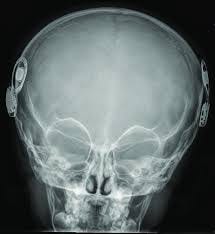
The Bilateral Wager: Doubling Down on Disequilibrium Risk
While unilateral CI carries risks, bilateral implantation introduces a unique and heightened challenge. When only one ear is implanted, the brain often relies on the healthy, or less affected, vestibular system on the other side to compensate for any new deficits. This remarkable capacity for central vestibular compensation helps mitigate overt symptoms of disequilibrium.
However, with bilateral implants, this compensatory mechanism is severely challenged or overwhelmed. The potential for bilateral vestibular hypofunction (BVH)—reduced function in both balance organs—becomes a significant concern. This can lead to more persistent and debilitating symptoms, as the brain lacks a reliable "healthy" side for accurate spatial orientation and balance control.
The decision between simultaneous and sequential bilateral implantation becomes critical. Simultaneous surgery, while offering practical benefits like reduced costs and a single anesthesia exposure, carries the immediate risk of inducing bilateral damage, potentially preventing adequate compensation from developing. Sequential implantation might allow for some adaptation after the first ear, but the second still poses a risk, especially if the first implant already compromised vestibular function.
Furthermore, the electrical stimulation from two implants can create asymmetric or conflicting vestibular inputs. The brain, which relies on coherent sensory information for balance, struggles to reconcile these unnatural signals, leading to "sensory conflict" and further disequilibrium.
Living with the Wobble: Symptoms and Their Ripple Effects
The symptoms of CI-induced disequilibrium vary widely, from mild unsteadiness to intense whirling vertigo. A hallmark symptom of BVH is Oscillopsia, a visual phenomenon characterized by the blurring or bouncing of objects during head movement, which is reported by 25-86% of BVH patients. This makes simple tasks, such as reading street signs while walking, incredibly difficult.
Patients often experience chronic unsteadiness and imbalance, particularly in challenging environments such as darkness or uneven surfaces, which significantly increases their risk of falls. Beyond the physical, disequilibrium can lead to cognitive deficits, such as difficulty concentrating, chronic fatigue, and "brain fog," as the constant effort to maintain balance drains mental resources. The chronic nature of these issues can also lead to psychological impacts, including depression and anxiety.
Navigating the New Normal: Diagnosis and Management
Accurate diagnosis is key, involving comprehensive pre- and post-operative vestibular assessments. Tests like videonystagmography (VNG), vestibular evoked myogenic potentials (VEMPs), and video head impulse tests (vHIT) help pinpoint the nature and extent of vestibular impairment. Identifying pre-existing vestibular weakness is crucial for surgical planning and patient counseling.
Management often involves:
Vestibular Rehabilitation Therapy (VRT): This non-invasive therapy uses specific head and eye movements to help the brain adapt and compensate for altered vestibular input, improving balance, gaze stability, and overall function.
Compensatory Strategies: Patients learn practical ways to manage symptoms, such as increasing reliance on visual cues, using assistive devices like canes, and adapting daily activities.
Emerging Technologies: The future holds promise with investigational vestibular implants (VIs) and combined cochleo-vestibular implants (CVIs). These devices aim to directly restore vestibular function by electrically stimulating the vestibular organs, offering hope for more robust balance restoration, though challenges with electrical interactions remain.
The Path Forward
Cochlear implants are a testament to human ingenuity, offering the gift of sound. However, it's vital to acknowledge and address their strong implication for disequilibrium, particularly in bilateral cases. A holistic approach that prioritizes comprehensive pre-operative assessment, tailored post-operative vestibular rehabilitation, and continued research into advanced neuroprosthetics is essential. By understanding the intricate dance between hearing and balance, we can ensure that the journey to sound doesn't inadvertently lead to a world out of balance.
References
Parietti-Winkler C, Lion A, Montaut-Verient B, Grosjean R, Gauchard GC. Effects of Unilateral Cochlear Implantation on Balance Control and Sensory Organization in Adult Patients with Profound Hearing Loss. Biomed Res Int. 2015;2015:621845. doi: 10.1155/2015/621845. Epub 2015 Oct 25. PMID: 26583121; PMCID: PMC4637149.