
When Your World Won't Stop Spinning: Understanding 'Canalith Jam' in BPPV


As a physical therapist specializing in balance and vestibular disorders, I frequently see patients struggling with the disruptive sensation of vertigo. Often, the culprit is Benign Paroxysmal Positional Vertigo or BPPV.
BPPV: The Basics
Imagine your inner ear as a sophisticated balance sensor. Inside are tiny calcium carbonate crystals, sometimes called 'ear rocks,' typically embedded in a jelly-like substance on a structure called the macula, part of your otolith organ. These crystals help your brain understand where your head is in space.
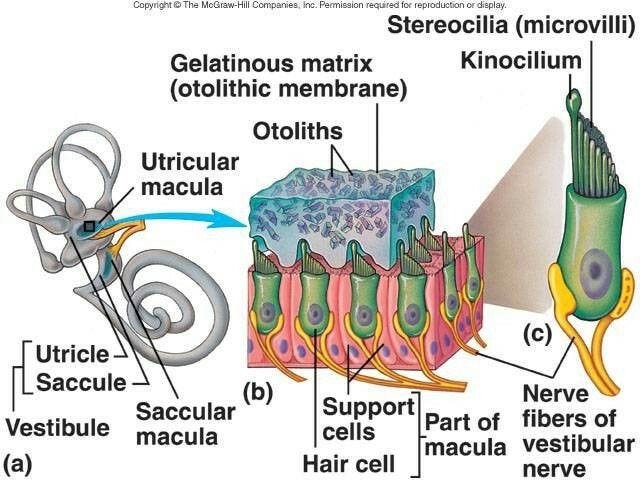
In BPPV, these crystals break free from the macula and drift into one of the fluid-filled canals of your inner ear. When you move your head in specific ways (like lying down, turning over in bed, or looking up), these errant crystals cause the fluid to slosh around, sending confusing signals to your brain. This leads to the sudden, brief, and intense spinning sensation we call vertigo.
Fortunately, for most people, BPPV is quite treatable. Specific head movements, often called canalith repositioning maneuvers (like the Epley, Semont, or Gufoni), can guide these loose crystals out of the canal and back into a harmless inner ear area.
Understanding 'Canaliths': More Than Just a Single Crystal
Before we dive into what happens when treatment is challenging, let's clarify what we mean by 'canaliths.' While we often refer to them as 'crystals' or 'ear rocks,' it's essential to understand that a 'canalith' isn't always just one tiny crystal.

'canalith' refers to the debris, or 'bolus' of material, that has broken free from the macula and is now floating within the semi-circular canals. This 'bolus' can be a collection of many tiny crystals clumped together or a larger piece of the macula. Think of it less like a single pebble in a stream and more like a small gravel cluster or even a larger rock.
This distinction is crucial because the size and nature of this 'canalith' (the bolus of debris) play a significant role in how it behaves inside the delicate inner ear canals.
When Treatment Isn't So Simple: The 'Canalith Jam'
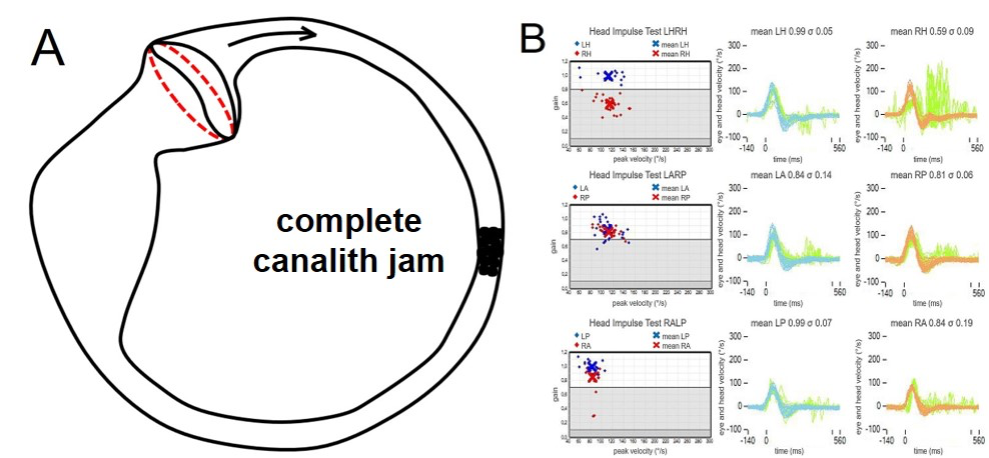
While these maneuvers are highly effective, there are times when the vertigo can be stubbornly persistent or 'recalcitrant.' This can be incredibly frustrating for patients, leaving them feeling like they're flying by the seat of their pants despite their best efforts to get better. This is where a phenomenon called a 'canalith jam' might be happening.
Think of it this way: instead of the loose 'canalith' (that bolus of debris) floating freely and being easily guided out, that cluster of material sometimes gets stuck or jammed in a narrow part of the canal. It's like a traffic jam but with your tiny inner ear rocks! When this happens, the usual repositioning maneuvers might not be enough to dislodge that trapped bolus, making the vertigo challenging to treat effectively. The 'canalith,' that collection of debris, is jammed.
Why Does a Canalith Jam Occur?
Several factors can contribute to a canalith jam:
Size and Shape of the Bolus: A larger or irregularly shaped bolus of crystals or debris is much more likely to get stuck than a single, small crystal. It simply can't navigate the turns and narrow passages of the canal.
Anatomy of the Canal: Some individuals might have slight variations in their inner ear anatomy that make certain areas more prone to jams. Imagine a narrow bend in a pipe where debris is more likely to accumulate.
Multiple Canals Involved: Sometimes, the debris isn't just in one canal, but crystals might be present in various canals or even shifting between them, complicating the repositioning process.
Ongoing Symptoms: Experiencing prolonged dizziness or a different pattern of symptoms after a maneuver could indicate a jam. The typical BPPV symptoms are brief, persistent dizziness, often suggesting something is still amiss.
What Does This Mean for You?
If your vertigo persists despite initial treatments, it's crucial to communicate this with your physical therapist specializing in vestibular disorders. We are trained to recognize the signs of a canalith jam, differentiating it from other vestibular issues.
While a canalith jam can be more challenging, it's not insurmountable. We have specialized techniques and approaches we can use to try to free the trapped debris. This might involve:
Modified Maneuvers: Adjusting the speed or positioning of standard maneuvers to create different fluid dynamics that might dislodge the jammed bolus.
Repeated Treatments: Multiple sessions are sometimes needed to slowly work the debris free, incrementally moving the jammed 'canalith' until it's released.
Vibratory Stimulation: In some cases, gentle vibration applied to the mastoid bone (behind the ear) might help to break up the bolus or jiggle it free from its stuck position.
The Takeaway
Experiencing persistent vertigo can be disheartening, but understanding the concept of a 'canalith jam' — that a bolus of debris can get stuck in your inner ear canal — can provide clarity and hope. It means that your vertigo isn't 'all in your head,' and there's a physiological reason it's being stubborn.
If you're dealing with stubborn BPPV, don't give up! Continue to work closely with your vestibular physical therapist. We're here to help you navigate these challenges and return your world to a steady, non-spinning state. At FYZICAL Therapy & Balance Center, we're dedicated to helping you 'Love Your Life' without the constant threat of vertigo.