
Why Ampullopetal Flow Dictates a Downbeat and Torsional Nystagmus in the Posterior Canal


Benign Paroxysmal Positional Vertigo (BPPV) stands as the most common cause of peripheral vertigo. Clinicians routinely encounter the standard presentation, yet mastering the atypical variants dramatically improves treatment success. We must move beyond symptomology and actively understand the biomechanics of debris movement to apply canalith repositioning maneuvers correctly.
This article reviews the critical difference between excitation and inhibition in the Posterior Semicircular Canal (PSC) and directly links debris location to the resulting nystagmus.
The Standard: Ampullofugal Flow and Excitation
In approximately 75% of PSC-BPPV cases, gravity pulls the displaced otoconia into the long arm of the canal—the Anterior Arm. During the Dix-Hallpike test, this movement generates an ampullofugal flow (away from the ampulla).
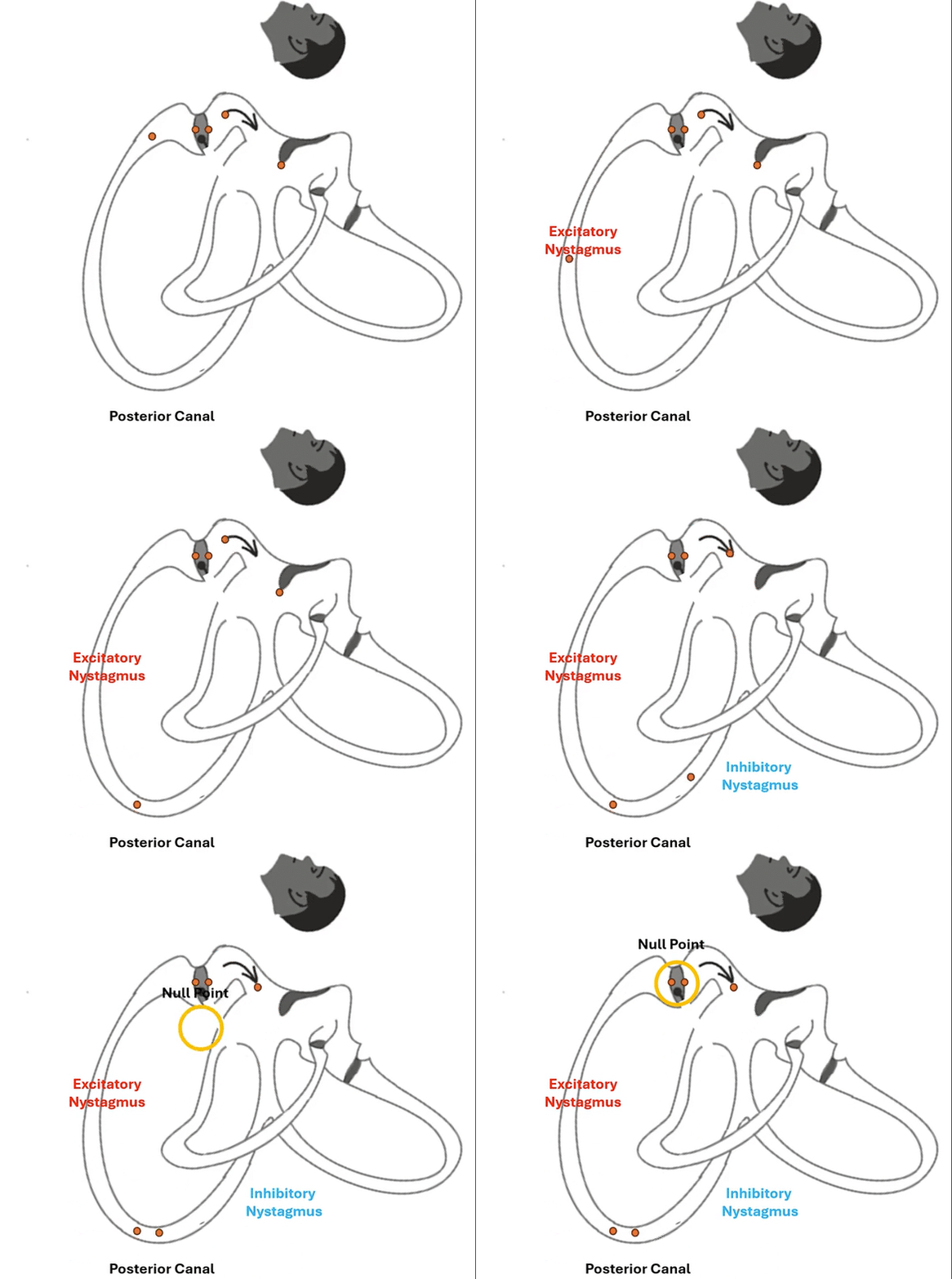
This flow pulls the cupula into its utriculofugal (excitatory) direction. This action excites the posterior canal, producing the classic torsional and vertical nystagmus pattern:
Nystagmus: Upbeat and torsional (beating toward the down ear).
Classification: Geotropic (beating toward the Earth/floor).
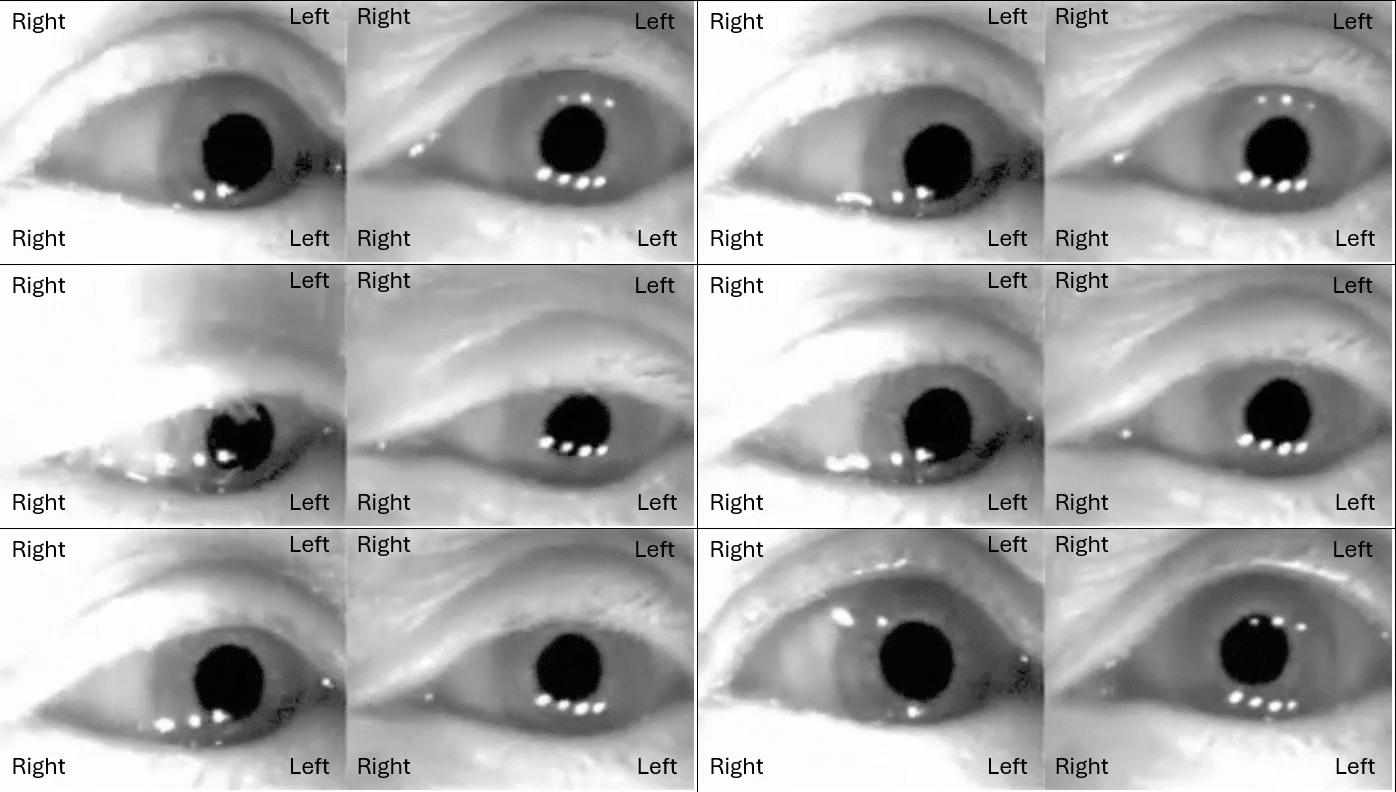
This presentation allows the standard Epley maneuver to relocate the debris effectively.
The Challenge: Ampullopetal Flow and Inhibition
A critical, albeit less frequent, phenomenon occurs when otoconia lodge in the Posterior Arm of the PSC (often referred to as the non-ampullary segment). When the patient moves into the Dix-Hallpike position, the debris moves ampullopetally (toward the ampulla).
This inward flow pushes the cupula into its utriculopetal (inhibitory) direction. This action inhibits the posterior canal’s natural firing rate. The resulting nystagmus is the PSC’s inhibitory response, manifesting as a downbeat, torsional pattern, rather than the typical upbeat torsion.
Nystagmus: Downbeat and torsional (beating away from the down ear).
Classification: Apogeotropic (beating away from the Earth/ceiling).
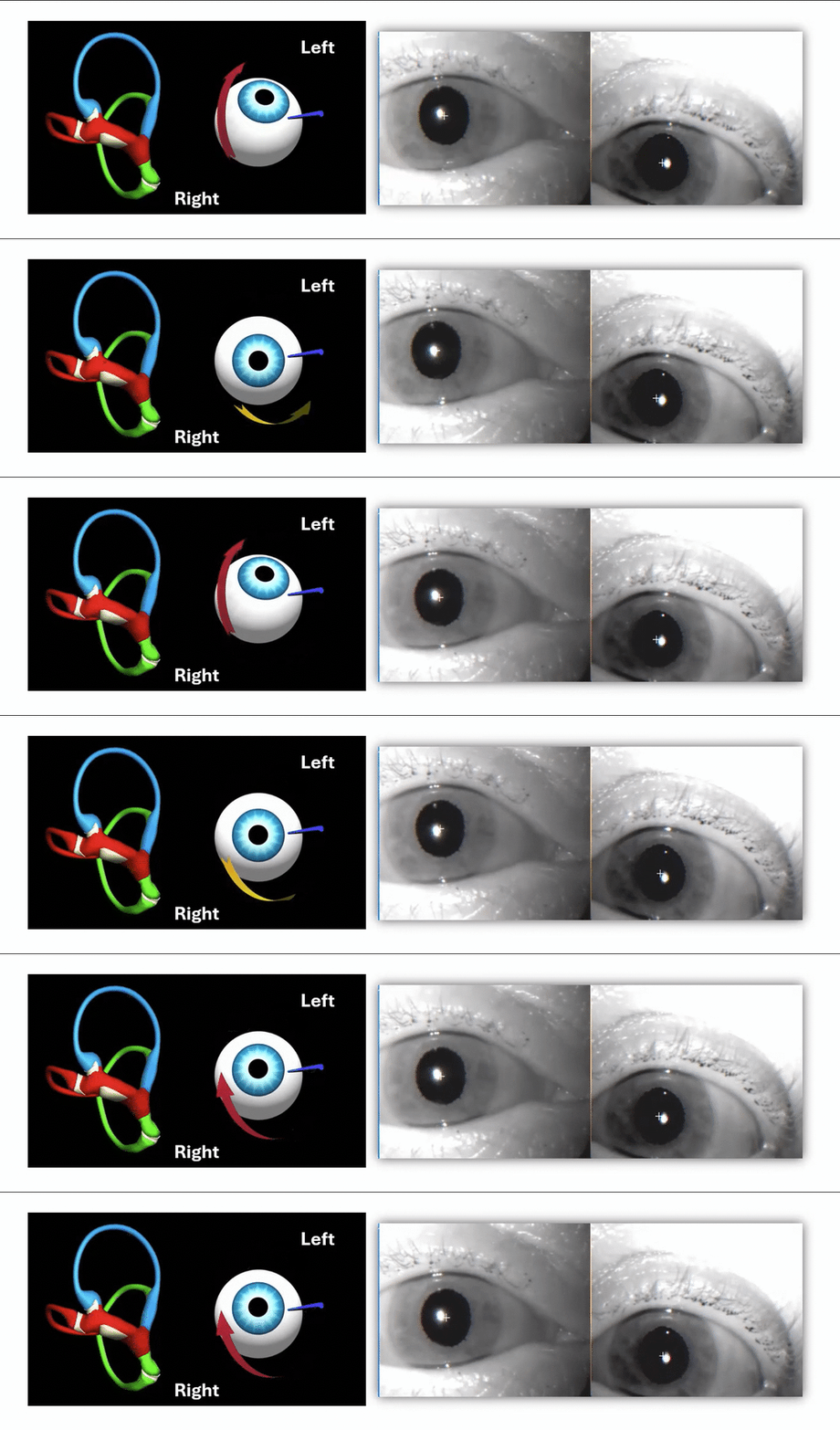
The key principle here is this: anterior arm debris causes excitation (geotropic), while posterior arm (and short arm) debris causes inhibition (apogeotropic).
The Clinical Mandate: Signs Over Symptoms
The difference between a geotropic upbeat nystagmus and an apogeotropic downbeat nystagmus dictates the entire treatment strategy. If you misclassify BPPV, you risk moving the debris closer to the cupula or even into it, exacerbating the patient’s condition.
Therefore, we must reject the practice of ‘flying by the seat of your pants’ based solely on patient symptom reports. As clinicians, we drive our treatment decisions by objective signs. The movement, intensity, and duration of nystagmus provide indisputable evidence of debris location and canal mechanics when observed with infrared video-oculography (IVOG) goggles.
Use your goggles. Observe the nystagmus. Confirm the flow dynamics. Execute the maneuver based on the signs. This commitment to objective data distinguishes actual vestibular expertise.